
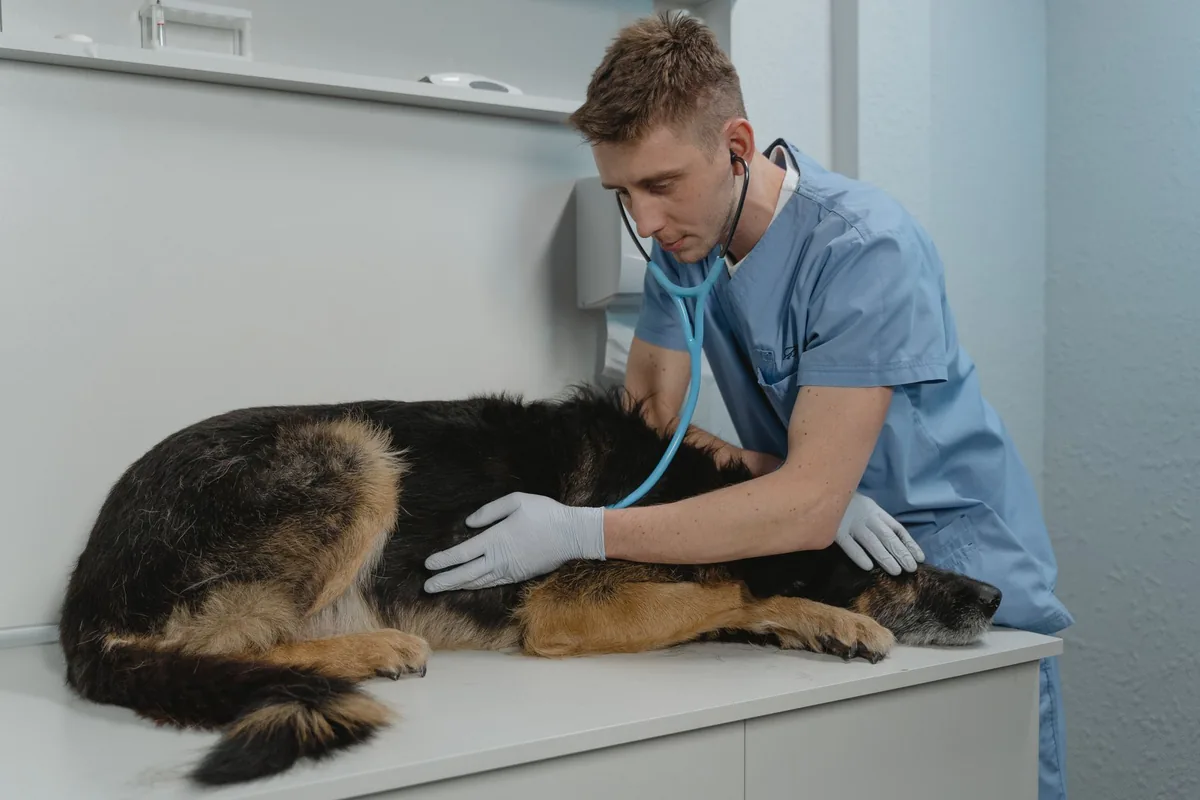
If you’re wondering what a routine vet checkup cost will be, you’re not alone—prices seem to swing depending on where you live, your pet’s age, and what your vet includes in that visit. For many owners, the question is really two-fold: will this appointment be “just a wellness exam,” and what else might quietly add to the bill (like vaccines, bloodwork, or dental screening)?
In this article, we’ll break down typical ranges for routine exam pricing and explain what’s commonly included, so you can compare quotes with more confidence. You’ll also learn the biggest cost drivers—plus practical ways to plan ahead without cutting corners on care, including what to ask your clinic before you book.
If your pet is showing symptoms or you’re dealing with an aging animal or a new health concern, please use this guide to plan and understand costs, but rely on your licensed veterinarian for diagnosis and next steps. By the end, you’ll have a clearer sense of what to expect, how to avoid surprise add-ons, and when it may make sense to consider pet insurance to smooth out future visits.
Quick Answer: What Routine Vet Checkups Typically Cost
Average price ranges for routine exam visits (by pet type and location)
What you pay for a routine vet checkup cost depends largely on where you live and the animal being examined. Clinics in large metropolitan areas often have higher fees than rural practices; similarly, exams for larger dogs or exotic pets generally require more time and expertise than a basic cat visit. For transparency, many practices will quote a typical range rather than a single price—expect estimates described as roughly depending on the clinic and included services.
Rather than memorizing a number, focus on what the visit includes: a physical exam, basic preventive counseling, and any routine vaccinations or diagnostic screening you and your vet agree on. Owners in the US, UK, Canada, and Australia should confirm local pricing directly with their clinic — veterinary associations like the AVMA and organizations such as the ASPCA note wide regional variation.
- Ask your clinic: "What is included in the exam fee?"
- Ask: "Are vaccines, fecal tests, or bloodwork extra?"
- Ask: "Do you offer wellness plans or discounts for multi-pet households?"
Why prices vary so much between clinics (overhead, demand, and local pricing)
Several predictable factors explain price differences. High rent, licensed staff wages, advanced diagnostic equipment, and regulatory costs raise a clinic's break-even point. Clinics with extended services (in-house lab, digital x-ray, anesthesia-capable surgery) typically charge more because they maintain and staff that equipment.
Demand and local market conditions also matter: areas with few vets or a higher cost of living usually see higher fees. Insurance reimbursement rates and whether a clinic markets wellness plans or bundles services will change what appears on your invoice. Below are common factors that push costs up or down:
- Up: specialty services, in-house diagnostics, emergency availability, higher local wages
- Down: nonprofit/charity clinics, mobile clinics, bundled wellness plans, government-subsidized programs
- Variable: seasonal demand, new-patient promotions, multi-pet discounts
Practical tip: treat clinic pricing like shopping for any professional service—ask for an itemized estimate, compare a few local clinics, and discuss which tests are essential now versus can wait. For any health concerns, always consult a licensed veterinarian for diagnosis and treatment tailored to your pet.

What You Pay For During a Routine Checkup (Line-Item Breakdown)
Exam fee vs. wellness plans vs. office visit charges
When you see a clinic for a checkup, the invoice usually separates a few distinct line items. The exam fee covers the veterinarian’s time to review your pet’s history, perform the physical exam, and make recommendations. Depending on the clinic, that base fee is commonly accompanied by separate charges for technician time, vaccine administration, or point-of-care tests. Because practices price differently, the overall routine vet checkup cost typically ranges, and you should confirm current rates with your clinic.
Many practices offer wellness plans (monthly or annual bundles) that combine exams, certain vaccines, and basic testing into a predictable payment. Wellness plans can reduce upfront sticker shock but compare what they cover versus à la carte pricing. Practical questions to ask your clinic include:
- What exactly is included in the exam fee and what is billed separately?
- Does a wellness plan cover routine bloodwork, fecal tests, or just vaccines?
- Are there additional office visit charges for sick visits or after-hours care?
Common inclusions: history review, physical exam, vital checks, parasite screening, and health plan guidance
A typical checkup usually includes a history review (diet, behavior, medications), a hands-on physical exam, and basic vitals: temperature, pulse, respiration, and weight. Many clinics will perform or offer inexpensive in-house screening such as a fecal parasite check or a urine dipstick if indicated. Think of the visit like a human annual: the short exam finds obvious issues; additional tests add time and cost.
Common items you may see listed are:
- History and exam findings (vet consultation)
- Vital signs and body condition scoring
- Parasite screening (fecal float, topical checks) and vaccine administration
- Preventive guidance (nutrition, dental care, behavior) and follow-up planning
Practical tip: bring a current list of medications, recent symptoms, and any questions—this helps the vet be efficient and can reduce unnecessary extras. For specific medical recommendations or pricing for your area, always confirm with your clinic and consult a licensed veterinarian for diagnosis and treatment options.

Typical Add-On Costs: Vaccines, Bloodwork, and Diagnostics
How vaccinations affect the total bill (core vs. lifestyle vaccines)
Vaccinations are one of the most common add-ons during a wellness visit and they can noticeably change your routine vet checkup cost. Veterinarians distinguish between core vaccines (recommended for nearly all pets because they prevent serious, widespread diseases) and lifestyle vaccines (recommended based on your pet's environment, travel, or behavior). Which vaccines your animal needs depends on age, breed, lifestyle and local disease risk.
Rather than a single price, vaccination costs typically range by type and clinic; for example, a single visit may include one or several shots, and some clinics bundle vaccines into wellness packages. When thinking about budget, focus on what drives cost: number of vaccines, combination vaccines (which can reduce injections), and whether the clinic includes exam fees or vaccine administration fees.
Questions to ask your vet before vaccinating:
- Which vaccines are considered core for my pet?
- Are there combination vaccine options to reduce visits?
- Is a titers test an alternative in my situation?
When bloodwork, fecal tests, urine tests, or X-rays are recommended and how much they may add
Diagnostics are ordered for routine screening, sick visits, pre-anesthetic checks, or when symptoms suggest a problem. Common diagnostics include bloodwork (organ function, anemia, infection), fecal tests (parasites), urine tests (kidney or bladder issues), and X-rays (bones, chest, abdomen). Costs vary by test complexity and whether samples are run in-house or sent to a lab.
Estimated additions varies widely by clinic and case for simple in-clinic tests to higher ranges for multi-panel lab work or imaging, though this varies widely by region and case complexity. Factors that push costs up include sedation for imaging, repeat tests, or specialist interpretation. Think of diagnostics like a car tune-up: a basic check can catch small issues cheaply, while a deep diagnostic dive finds problems but costs more.
Practical tips:
- Ask if the clinic offers bundled wellness packages that include baseline bloodwork for seniors.
- Prioritize tests that change immediate treatment decisions.
- Request a written estimate and ask which findings would trigger additional costs.
For health decisions, consult your veterinarian to tailor testing to your pet's needs and to confirm pricing at your clinic. Reputable sources such as the AVMA and ASPCA support individualized vaccine and diagnostic plans based on age, risk, and health history.

Routine Checkup Cost by Pet Type (Dog, Cat, Small Pet, Bird, Senior Pets)
Dogs: wellness visit + vaccine schedules and common senior screening add-ons
For dogs, a typical wellness visit is the backbone of preventive care: history, physical exam, weight and body-condition check, and vaccine review. The routine vet checkup cost for a basic wellness visit often varies by region and clinic; an approximate range might be shown as, though this varies widely by location, clinic type, and what’s included. What really changes the final bill are vaccines, parasite testing, and any diagnostics recommended on the spot.
Vaccine schedules (core and non-core) are planned by age, lifestyle, and local disease risk. Common senior add-ons for dogs—performed as pets reach middle age—include bloodwork panels, urinalysis, thyroid screening, and blood pressure checks. These screenings are recommended more often in older dogs because early detection changes management, but whether a clinic runs quick in-house tests or sends samples to a lab will affect cost.
Factors that typically push cost up or down:
- Number and type of vaccines required
- On-site diagnostics vs. external lab processing
- Clinic setting (general practice vs. emergency/specialist)
Cats and small pets: why stress handling, specialist care, and age can change pricing
Cats and small mammals (rabbits, guinea pigs, ferrets) often need extra time, special handling, or sedation for a thorough exam—this adds staff time and sometimes monitoring equipment. Birds and exotic pets commonly require a vet with specialized training or equipment. Those factors mean the baseline routine vet checkup cost can be more variable than for dogs.
Age and species-specific needs also matter: juveniles need different vaccines and checks; seniors usually need more frequent screening. Common cost drivers include:
- Stress-minimizing handling or longer appointment slots
- Specialist consults (avian/exotic or internal medicine)
- Species-specific diagnostics (e.g., blood cell counts for rabbits, radiographs for birds)
- Which tests are recommended now vs. elective?
- Can any services be bundled or scheduled later?
- Do you have experience with my pet’s species/breed?
Analogy: think of a wellness visit like a human annual check—basic exam plus risk-based tests. For species that need specialist handling, it’s similar to seeing a familiar family doctor versus a clinic that requires extra equipment. If cost is a concern, discuss staged testing or preventive care plans with your clinic, and verify pricing in advance. For any specific medical decisions, consult a qualified veterinarian who can tailor recommendations to your pet’s age and condition. For more on planning and insurance, see pet insurance basics.
Factors That Change the Price (Clinic, Geographic Area, and Visit Complexity)
Impact of location, clinic tier, and appointment type (urgent vs. scheduled wellness)
Where you take your pet is one of the fastest ways the routine vet checkup cost can vary. Urban areas and regions with higher operating costs tend to charge more; likewise, a hospital with emergency services or specialty equipment will usually bill higher than a neighborhood clinic. Think of clinics like restaurants: a quick scheduled wellness visit is like a casual meal, while urgent or after-hours care is closer to a late-night emergency service with higher overhead.
Key things that change pricing include:
- Geographic area — city vs. rural and regional cost of living.
- Clinic tier — independent general practice, corporate chain, or specialty/emergency hospital.
- Appointment type — scheduled wellness versus urgent or after-hours visits.
As a practical guide, clinics often give an itemized estimate if you ask; many also offer wellness plans that bundle exams and routine tests. If you want a quick comparison, call two or three nearby clinics and request an itemized quote — that will reveal what components drive the price. For a basic reference range, routine visits varies widely by clinic and case, though this varies widely by region and clinic; always confirm pricing with your own clinic.
How pet age, behavior, weight, and existing conditions can increase costs even if it’s ‘routine’
“Routine” on paper can become more complex in practice. Older pets often need additional screening (bloodwork, blood pressure, dental checks), and pets with chronic conditions may need medication reviews or diagnostic follow-up. Heavier animals or those who are anxious/aggressive may require more staff time, restraint, or sedation, which raises the bill.
Common cost drivers to watch for:
- Age and health history — seniors often need more diagnostics and monitoring.
- Behavior and handling — low-stress handling or sedation adds time and expense.
- Weight and size — dosing, equipment, and procedure difficulty can increase costs.
Practical tip: before the visit, make a short list of symptoms and medicines and ask the clinic these questions — "Which services are included in the exam?", "Will bloodwork or imaging likely be needed?", and "Are there additional handling or after-hours fees?" These simple questions help you anticipate costs and make informed choices. For any health concerns or decisions about tests and treatments, consult a licensed veterinarian who can offer recommendations tailored to your pet’s needs.
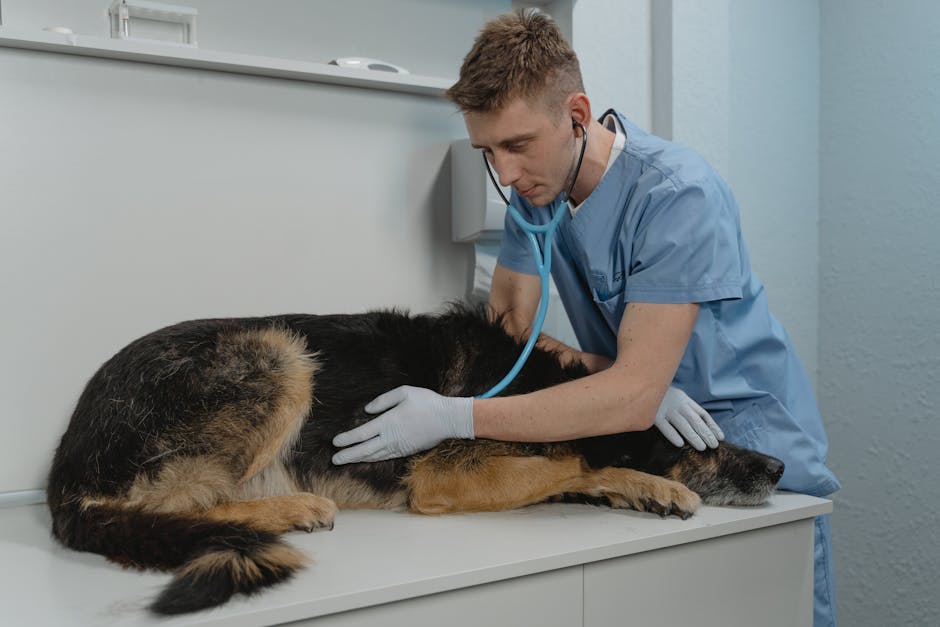
How Often Should You Schedule a Vet Checkup—and How That Impacts Cost
General visit frequency for puppies/kittens, adult pets, and senior pets
Puppies and kittens usually need more frequent visits during their first few months for vaccinations, growth checks, and behavior guidance. Many vets recommend multiple visits across the first 12–16 weeks, then a follow-up as the pet approaches adulthood. For adult pets in good health, routine exams are often scheduled once a year, though some clinics and insurers now suggest biennial (every two years) wellness exams for younger adults in low-risk groups.
Senior pets commonly benefit from more frequent monitoring—often every six months—because age-related conditions can develop or progress more rapidly. These checkups frequently include a physical exam plus screening tests such as bloodwork or urinalysis to catch issues earlier. Remember to consult a licensed veterinarian for any diagnosis or tailored schedule recommendations, since breed, existing conditions, and lifestyle change the plan.
Practical tip: when you schedule, ask if multiple services can be combined into one visit—vaccines, parasite prevention, and routine blood tests in a single appointment can be more efficient and sometimes reduce cumulative cost.
Link between preventive care schedules and avoiding more expensive issues later
Preventive care timing affects long-term spending. Regular exams make it likelier that treatable issues—dental disease, early kidney changes, weight problems—are addressed before they require emergency care or complex procedures. While a single wellness visit has a routine vet checkup cost that varies by clinic and region, investing in scheduled preventive care often reduces the risk of larger bills later.
What drives cost up or down? Common factors include:
- Type and number of services ordered (vaccines, diagnostics, dental)
- Pet age, breed risks, and pre-existing conditions
- Clinic location and whether you use an emergency or specialty provider
Questions to ask your vet that help balance health and budget:
- Which checks are essential now, and which can wait?
- Can we combine procedures into one visit to lower repeat exam fees?
- Are there affordable screening options appropriate for my pet's age?
Analogy: think of preventive vet care like routine car maintenance—small, scheduled work typically costs less than repairing a major breakdown. Always confirm pricing with your clinic (a single exam fee might varies widely by clinic and case, though this varies widely) and consult your veterinarian for personalized medical advice.

Ways to Save on Routine Vet Checkup Costs (Without Cutting Care)
Ask for an itemized estimate, wellness bundles, and vaccination schedules
Before any visit, ask your clinic for an itemized estimate. Breaking charges into exam fee, diagnostic tests, vaccines, and medications lets you see where costs add up and where alternatives are possible. Many clinics will provide a written or emailed estimate so you can compare options or plan financially.
Ask whether the clinic offers wellness bundles or staged care: some practices combine the exam, core vaccines, and routine tests into a single discounted visit, or they’ll split services across visits to spread cost. Also discuss a sensible vaccination schedule for your pet’s age and lifestyle rather than assuming annual shots are required; reputable sources such as the AVMA and local public health guidance often inform these choices.
Questions to ask your vet or receptionist:
- Can you itemize today’s estimated charges?
- Are there bundled wellness plans or payment options available?
- Which vaccines and tests are strictly recommended now versus optional?
- Can any services be scheduled separately to reduce a single-visit bill?
Always confirm pricing with your clinic and consult a licensed veterinarian for health decisions tailored to your pet.
Use low-cost clinics, seasonal specials, pet insurance, and membership plans (pros/cons)
There are several legitimate ways to lower routine costs: community low-cost clinics, seasonal vaccine clinics, pet insurance, and practice membership plans. The routine vet checkup cost varies widely by clinic and case, though this varies widely by region, clinic, and individual needs — but what matters more are the trade-offs.
Pros and cons to weigh:
- Low-cost clinics: Lower fees for basic services; may have limited diagnostics or shorter appointments.
- Seasonal specials/community clinics: Good for vaccinations or basic exams; may not provide continuity of care for complex issues.
- Pet insurance: Helps with unexpected or expensive care but usually has deductibles and exclusions; not always cost-effective for routine visits alone.
- Membership plans: Fixed monthly fee for preventive care at a single clinic; convenient, but compare what's included and how emergency care is handled.
Practical tip: treat cost planning like preventative car maintenance — small, regular investments (vaccines, dental care, early diagnostics) often prevent bigger bills later. If you’re unsure which option fits your pet, discuss pros and cons with your regular vet to match financial and medical needs. For any health questions, consult a licensed veterinarian.

Before You Book: Questions to Ask and What to Bring
Checklist: medical records, medication list, stool/urine samples if requested
Arriving prepared saves time and reduces surprises. Bring your pet’s most recent medical records (vaccination history, previous lab reports), a clear medication list with dosages and schedules, and any notes on recent symptoms or behavior changes. If your clinic asks for a stool or urine sample, collect it according to their instructions so tests can be run promptly.
Practical items to have on hand:
- Vaccination records and past lab results
- Current medication list and supplements
- A fresh stool or urine sample if requested, and a clean, labeled container
- Microchip number, last grooming or flea/tick treatments, and a note on recent diet changes
Questions that clarify total cost: ‘What’s included?’, ‘What tests are optional?’, and ‘Is there a payment option?’
Before booking, ask for an itemized estimate and what is included in a routine visit. The routine vet checkup cost often depends on whether the appointment includes vaccines, bloodwork, or parasite testing; these add-on items are commonly optional unless medically indicated. Ask, “What’s included in the exam fee?”, “Which tests are recommended now versus watch-and-wait?”, and “If you find an issue, will you call before doing extra tests?”
Helpful questions to ask:
- “Can you provide an itemized estimate for today’s visit?”
- “Which diagnostic tests are optional and why?”
- “What payment methods or financing options do you accept?”
Always confirm pricing with your clinic and consult a licensed veterinarian for diagnosis or treatment decisions. For more on managing vet bills and whether insurance or savings better suits your pet, see how to budget for routine vet costs.
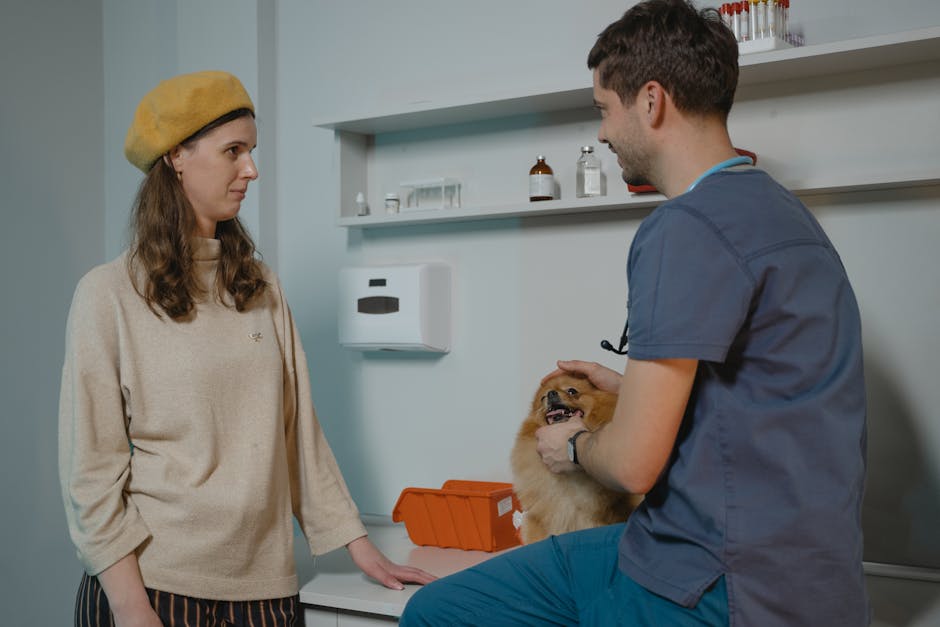
Conclusion
When you’re planning a visit, the routine vet checkup cost is only part of the picture. In most areas, a basic exam usually sits in a modest range, but the final total can change based on location, the clinic’s pricing style, your pet’s needs, and whether add-ons like vaccines, parasite screening, fecal/urinalysis, or senior/breed-focused assessments are recommended. Understanding what’s included helps you avoid surprises and decide what’s truly necessary for your pet right now.
Next, ask your vet for a clear estimate before the appointment—what the exam covers, what’s optional, and what would trigger extra charges. If your pet is aging or you’re budgeting for possible future care, compare pet insurance options and check coverage details (including exam fees and diagnostics). If anything seems off medically, consult a licensed veterinarian promptly. If you found this helpful, share it with another worried pet owner or drop your questions in the comments.
References
- How Much Does a Routine Vet Checkup Cost? (furkin.com)
- Cat Vet Visit Costs: What to Expect & How to Save | Spot Pet Insurance (spotpet.com)
- How Much is a Vet Checkup? | Spot Pet Insurance (spotpetinsurance.ca)
- How Often Should a Dog Go to the Vet? (rover.com)