

You’re probably wondering what you’ll actually pay—and whether “spay cost by weight” is a reliable way to estimate it for your dog or cat. That question matters because spaying and neutering are routine, but the total bill can still vary a lot depending on your pet’s size, where you live, and what your vet includes (like exam, anesthesia monitoring, and pre-op testing).
In this guide, we’ll break down how weight-based pricing is commonly handled, what components typically drive the cost up or down, and how to ask your clinic the right questions so you get a clearer, more comparable estimate. You’ll also learn how shelters, low-cost programs, and wellness/insurance options can change your out-of-pocket cost—without assuming every pet will be priced the same.
If your pet is older, has a medical condition, or has not been in for a pre-op check recently, pricing and safety considerations can shift further—so use this article as a budgeting and planning tool, not a substitute for veterinary guidance. For any health decisions, confirm the plan and timing with a licensed veterinarian, and request an itemized quote tailored to your pet.
What “spay cost by weight” really means (and why prices vary)
How clinics use weight bands (and what counts as “weight” for pricing)
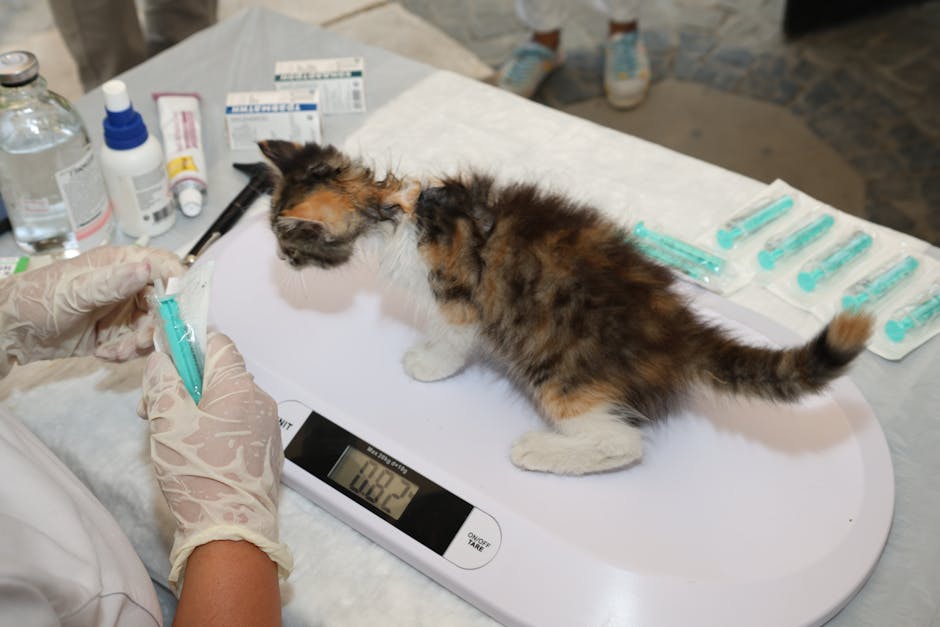
Many clinics charge for a spay in tiers based on a pet’s weight: this is what people mean when they say spay cost by weight. Weight bands are practical for veterinary teams because many cost inputs—especially how much anesthetic and monitoring are needed—scale with a pet’s mass. Clinics set thresholds (for example, under a certain number of pounds/kilos, next band up, etc.) and price procedures accordingly.
When clinics quote by weight they usually use the pet’s pre-operative weight from the same visit. That means the number on the scale at the clinic is what determines the band, not a home estimate. Body condition (very underweight or obese) can also affect risk and planning even if the raw weight falls inside a band, so expect staff to note overall condition during the exam.
Key drivers besides weight: anesthesia time, dosing, facility fees, and surgical complexity
Weight is only one input. The main cost drivers include anesthesia time (longer procedures require more monitoring), individualized anesthetic dosing and equipment, any required pre-op testing, plus fixed operating costs like staff time and recovery space often grouped as a facility fee. Insurance and clinic accounting practices also affect how these are bundled on your estimate.
Typical items that push cost up include:
- Longer anesthesia or surgery time (e.g., adhesions, previous surgeries)
- Extra monitoring or IV fluids for higher-risk patients
- Pre-op bloodwork, imaging, or overnight recovery space
Practical tip: ask for an itemized estimate so you can see which of these drivers apply to your pet’s quote. Always confirm the clinic’s weight-measurement policy at check-in.
Typical pricing differences between routine, slightly higher-risk, and complicated cases
Clinics usually categorize spays into routine, slightly higher-risk, and complicated cases. A routine spay generally means a healthy pet of appropriate weight with no unexpected findings; a slightly higher-risk case might involve older age, mild obesity, or extra monitoring; a complicated case includes large masses, pyometra, pregnancy, or significant adhesions requiring longer surgery.
Because exact fees vary widely by region and clinic, ranges are best given as estimates: routine cases often fall roughly in the range, slightly higher-risk cases commonly move to about, and complicated surgeries may be quoted around. These placeholders represent how much variation to expect rather than fixed prices—confirm current numbers with your clinic.
Questions to ask your vet before scheduling:
- Which weight band will my pet fall into and how is weight measured?
- What is included in the estimate (anesthesia, monitoring, pain control, facility fee)?
- Are there common reasons my pet might move into a higher-cost category?
For any health concerns or to interpret a quote for your pet, consult a licensed veterinarian who can provide case-specific advice and a precise estimate.

Dog spay pricing ranges by weight (what you can expect)
Weight bands for estimating cost (e.g., under 25 lb, 25–50 lb, 50–70 lb, 70–90 lb, 90+ lb)
Veterinary practices commonly use your dog’s weight as one of the primary factors when estimating the spay cost by weight. Heavier dogs often need larger doses of anesthesia, longer monitoring, and sometimes more personnel to safely handle them — all of which tend to raise the fee. That said, exact ranges vary widely by region, clinic type (private practice vs. low-cost clinic), and your pet’s health.
To keep the numbers realistic without inventing specific prices, expect estimates for each band to be presented as a range by your clinic (for example, something like), and request an itemized estimate before booking. Local veterinary associations like the AVMA and animal welfare organizations such as the ASPCA recommend asking for a written quote so you can compare clinics fairly.
- Under 25 lb: typically quickest recovery and lower anesthesia needs.
- 25–50 lb: mid-range procedure time and monitoring.
- 50–70 lb, 70–90 lb, 90+ lb: progressively greater requirements for anesthesia, monitoring, and handling.
Separate ranges for “routine” vs. “may cost more” scenarios (bigger breeds, longer procedures)
Most spays fall under a “routine” category when the dog is healthy, non-pregnant, and the surgery is straightforward. Clinics will often quote a lower range for routine cases, again normally shown as. Routine cases typically involve standard pre-op checks, the procedure itself, basic pain control, and same-day discharge.
However, some situations are routinely flagged as “may cost more” — for example, large-breed dogs that need extra staff to safely position them, suspected complications like ovarian remnants or adhesions, or dogs in heat or pregnant at surgery. In those cases, the clinic should explain why the estimate rises and provide a revised range. Insurer claims data and veterinary guidance both show that complexity and comorbidities are the main drivers of higher bills.
- Factors that usually keep a procedure in the “routine” range
- Common reasons clinics flag “may cost more”
- How breed size and reproductive status affect time and monitoring needs
How to estimate total cost when your clinic charges add-ons
Many clinics list a base spay fee and then add line items for services such as pre-op bloodwork, IV fluids, pain medication, hospitalization, microchipping, and sutures removal. To estimate your likely total, ask the clinic for an itemized quote and then add the relevant add-ons. If you want a quick rule of thumb, calculate the base estimate plus typical common add-ons — each practice’s add-on list can be very different, so confirmation is necessary.
Ask targeted questions to avoid surprises and to help you compare clinics:
- “What is the base fee, and what services are included?”
- “Which optional or recommended items are usually added for dogs of my pet’s size?”
- “Do you provide an itemized, written estimate and a policy on complications?”
Practical tip: treat the quote like a shopping list — compare several clinics, and consider both cost and the clinic’s answers on monitoring, pain control, and experience with your dog’s breed. Always confirm pricing directly with your clinic and consult a licensed veterinarian for health-related decisions about spay timing and safety.

Cat spay pricing by weight (including typical weight band expectations)
Why cat spay pricing is often less weight-banded than dogs (but not always)
Many clinics don’t use tight weight bands for cats the way they do for dogs because most adult cats fall into a relatively narrow weight range. A typical indoor cat usually weighs between similar small-to-medium categories, so the difference in anesthetic and surgical time is often small. That said, some practices—especially low-cost clinics or hospitals with strict billing systems—do still apply different fees for very small kittens versus large or obese cats.
Think of it like tailoring: dogs come in a wider variety of “sizes” that demand different patterns, while cats are often one standard cut. Still, exceptions exist for outliers (very small kittens, giant breeds, or obese cats). Local factors—clinic staffing, regional costs, and whether the clinic bundles services—also influence how much emphasis is placed on weight when setting a fee. Local quotes for spay cost by weight varies widely by clinic and case, though this varies widely; always confirm with your clinic.
- Most cats fall into the same general category for surgical planning.
- Outliers (tiny kittens or obese cats) may trigger different pricing.
- Clinic policy and regional cost of care affect whether weight bands are used.
Common cost components: exam, anesthesia, surgery, pain control, monitoring
When you receive a quote it’s helpful to understand the main line items. Typical components include the pre-op exam, the cost of anesthesia and drugs, the surgical procedure itself, post-op pain control medications, and monitoring during recovery. Some clinics bundle these into a single spay fee; others list them separately.
Ask for an itemized estimate so you can compare clinics more fairly. Public agencies (shelters) and low-cost clinics often reduce fees by simplifying services, but reputable hospitals will still include monitoring and pain control. If you’re comparing costs, confirm whether the quote includes pre-op bloodwork, IV fluids, or a post-op check—those add to the total but improve safety.
- Pre-op exam and recommended tests
- Anesthesia and anesthetic monitoring
- Surgical time, pain meds, and recovery monitoring
How weight-related factors can still raise the price (age, health conditions, body condition)
Weight interacts with other risk factors. Very young kittens, senior cats, obese cats, or animals with chronic conditions often need extra tests, longer anesthesia, IV fluids, or more intensive post-op monitoring—each of which can increase the bill. A cat that is underweight from illness may require stabilization first, while an overweight cat may require special equipment or a longer procedure.
Before surgery, ask these practical questions so you understand potential upsides to additional costs:
- What pre-op tests do you recommend for my cat’s age/weight?
- Is IV fluid support or extended monitoring included or optional?
- How will my cat’s body condition change anesthesia risk and recovery time?
Practical tip: get a written, itemized estimate and a short plan for contingency costs. For any health-related decision, confirm findings and timing with a licensed veterinarian—they can give the personalized assessment your cat needs.

Cost breakdown: base fee vs. exam, anesthesia, labs, and post-op care
Line-item style breakdown you can compare across clinics
When you ask for a quote, request a clear, line-item estimate so you can compare clinics directly. Typical items to see on an estimate include a base surgery fee (the surgeon and facility use), a separate exam or consult fee, anesthesia and monitoring–, though this varies widely.
Ask each clinic to break out these items so you can compare apples-to-apples. For example:
- Base fee: operating room, surgeon time, basic disposables
- Anesthesia & monitoring: drugs, IV fluids, monitoring equipment, staff time
- Pre-op exam & bloodwork: eligibility checks and labs if recommended
- Post-op care: pain meds, follow-up visits, e-collar or sutures removal
When pre-op bloodwork or additional testing is recommended and how it impacts cost
Many vets recommend pre-op bloodwork for pets that are older, have known health issues, or belong to breeds with anesthesia sensitivity. Tests check organ function and clotting and may change the anesthesia plan; adding them increases cost but can reduce risk. Labs are often listed separately rather than bundled into the base fee.
Additional diagnostics—like chest x-rays or ECGs—are advised only when history or exam suggests risk. These add separate line items and can shift a routine spay toward a higher-care pathway. Questions to ask your clinic:
- Which tests are routine for my pet’s age/breed/weight?
- Will abnormal results change the plan or require referral?
- Can you provide a written estimate with and without pre-op testing?
Post-op supplies: meds, e-collar/cone, follow-up visits—what is typically included
Post-op charges vary: some clinics include basic pain meds and one follow-up in the base price; others list them separately. Typical items to confirm in writing are prescription pain relief, an e-collar/cone if needed, suture or staple removal, and instructions for wound care. Knowing what’s included helps avoid surprise charges when you pick up your pet.
Practical tip: bring a small towel and a quiet carrier for the trip home, and ask whether the clinic offers written aftercare instructions or texting check-ins. For a quick checklist to compare clinics, see compare clinic fees. As always, confirm pricing with your own clinic and consult a licensed veterinarian about testing and aftercare specific to your pet—this article is informational, not medical advice.

When weight-based pricing increases (complications that affect your quote)
Common reasons for higher quotes: small/young vs. adult/older, obesity, dental/health issues
Clinics that use a weight-based model often start with the animal’s body mass, but several common factors can push the final estimate higher. Very small or very young patients may need specialized monitoring and smaller instruments, while adult or older animals can require additional pre-op testing because of age-related risks. Similarly, obesity increases anesthesia time and recovery needs, which raises complexity.
Health issues that aren’t obvious at drop-off — such as dental disease, skin infections, or chronic conditions — frequently trigger add-ons like bloodwork or antibiotics. These are generally listed as separate line items on an estimate, so ask how each component influences the quoted total.
- Small/young patients: extra monitoring, specialized equipment
- Adult/older patients: pre-op screening, cardiac or organ checks
- Obesity: longer anesthesia, more staff time, different intubation tools
- Concurrent dental or skin issues: additional procedures or medications
Surgical complexity factors: enlarged uterus, adhesions, emergency timing
Surgical findings can change a routine spay into a more complex operation. An enlarged uterus (from heat cycles or infection) or internal adhesions from prior surgery or inflammation make the procedure take longer and may require more experienced surgeons. Emergencies — such as pyometra or bleeding — add costs because they need immediate theater access and intensive monitoring.
Think of adhesions like a tangled necklace: it takes extra time and care to separate without causing damage. That extra time, plus potential for blood loss control or extended anesthesia, are common drivers of higher quotes.
- Unexpected internal findings (enlarged uterus, masses)
- Adhesions from prior disease or trauma
- Emergency or after-hours surgery
- Need for senior or specialist surgeon
Questions to ask so you don’t get surprised at pickup
Before you authorize a procedure, ask for a written estimate that separates the base spay cost by weight from likely add-ons. Clear questions reduce surprises and help you compare clinics.
Always confirm the clinic’s policy for unexpected findings and at what point they will call you for permission to proceed with added treatments. And remember to consult a licensed veterinarian if you have health concerns about your pet; they can explain risks and alternatives for your specific case.
- What is included in the base estimate, and what is billed separately?
- At what dollar amount or condition will you contact me before proceeding?
- Are there predictable add-ons for my pet’s age, weight, or health status?
- Who will perform the surgery and what is their experience with complications?

How to get the lowest spay cost without cutting safety corners
Comparing provider types: low-cost clinics, shelters/rescues, and private vet practices
Different providers balance price and services in distinct ways. Low-cost clinics and shelter programs usually offer the lowest headline fees because they focus on high-volume, routine procedures. Private vet practices often include more individualized pre-op assessments and monitoring, which can raise the bill but lower risk for older or medically complex pets.
When comparing costs, remember that factors like age, breed, and especially weight influence labor and anesthesia plans — often referred to when people search "spay cost by weight." Look beyond the sticker price to see what’s included.
- Low-cost clinic: fast, standardized protocols; good for healthy young pets.
- Shelter/rescue program: subsidized fees or vouchers; may have eligibility rules.
- Private practice: more personalized care and post-op support; useful for high-risk pets.
Using transparent price sheets and asking for an itemized estimate
Ask each provider for a transparent price sheet or an itemized estimate before booking. This shows which charges are for surgery, anesthesia, monitoring, pain control, fluids, and any tests. That clarity helps you compare apples to apples and spot hidden add-ons.
Think of it like a car repair quote: you want parts, labor, and any required inspections listed. If something is unclear, ask the clinic to explain why it’s needed for your pet.
- Request an itemized estimate in writing.
- Ask which services are mandatory versus optional.
- Confirm post-op checks and what emergency care would cost.
Scheduling strategies: early appointments, availability of community programs, and voucher options
Timing can save money without compromising safety. Community spay/neuter drives and municipal vouchers are often available seasonally and may require early booking. Many clinics also run lower-cost days during quieter months.
Other practical strategies include bundling services (vaccines, microchipping), booking well in advance, and checking eligibility for rescue/senior programs. Always confirm eligibility and what the program covers.
- Check local shelters and municipal programs for vouchers or clinics.
- Book off-peak dates or join waiting lists for cancellations.
- Bundle necessary services to reduce repeat visits.
For any health or pricing questions, confirm details with your clinic and consult a licensed veterinarian to decide the safest, most cost-effective option for your pet.
Quick checklist + spay cost calculator workflow (use it before you book)
Step-by-step method: find your weight band, estimate base price, then add likely add-ons
Start by identifying your pet’s weight band — many clinics price spays in bands (for example: small, medium, large) rather than per kilogram. Think of it like shipping: a heavier package usually costs more because it needs more resources. Using your pet’s current weight gives the most reliable starting point when comparing clinics.
Next, estimate the clinic’s base surgical fee and then add common extras: pre-op exam, blood work for older pets, sedation vs. general anesthesia, pain control, and possible overnight care. These drivers — anesthetic time, staff, and monitoring — are the real reasons costs rise rather than the surgery item itself.
- Find weight band (use actual scale or recent vet record).
- Ask for a base fee tied to that band and whether it’s “routine” or “complicated”.
- Add likely add-ons such as bloodwork, IV fluids, and post-op pain management.
Information to bring: current weight, age, prior medical history, current medications
When you call or visit, have concise facts ready: current weight (lbs or kg), exact age, known medical conditions, and a list of current meds or supplements. These details affect whether the procedure is considered routine or requires extra assessment.
Bring any recent lab results or notes about previous anesthesia reactions if available. If you don’t have a scale at home, many clinics will weigh your pet during a pre-op exam—ask if that exam is included in the estimate.
- Current weight (accurate to nearest 0.1 kg or 0.5 lb if possible)
- Age and recent health issues
- Medication names, doses, and timing
- Behavior notes (e.g., anxious, aggressive) that may require sedation
A call script to request a quote based on weight and “routine vs. complicated” status
Use a short, clear script when calling: “Hello, I’m calling about a spay for my [species/breed], weighs about [weight], age [age]. Could you give me a written estimate for a routine spay and for a spay that becomes complicated (e.g., requires extra monitoring or IV fluids)?” This frames the two likely scenarios so you can compare apples-to-apples.
Follow with these specific questions before booking:
- “Is pre-op bloodwork included for my pet’s age/weight, or is it extra?”
- “What typical add-ons should I expect for my pet’s weight band?”
- “If there’s an unexpected complication, how will I be informed of additional costs?”
Ask for the estimate in writing (email or text) and for clarification on payment options and refund policies. Remember, estimates for spay cost by weight are starting points—confirm the final price at drop-off. If you have health concerns, consult your veterinarian to decide the safest timing and workup before booking.

Conclusion
When you’re planning a surgery, spay cost by weight is a helpful way to estimate how your pet’s size may affect pricing. In most clinics, the biggest cost drivers are your pet’s weight/size, whether it’s a dog or cat, age and health status, and local labor and facility fees. Estimates typically fall within broad regional ranges, so it’s smart to treat any online number as a starting point rather than a guaranteed quote.
Next, contact a licensed veterinary clinic and ask for an itemized estimate (pre-op exam, anesthesia, surgery, and any follow-up) and whether weight-based pricing applies to your pet. If budget is tight, compare options like payment plans and check whether pet insurance would cover preventive sterilization in your policy. If anything about your pet’s health is uncertain, confirm details with your veterinarian. Share your experience or questions—PawCostWise welcomes comments.
References
- How Much Does It Cost To Spay A Dog? Here’s A Breakdown – Forbes Advisor (forbes.com)
- Cost of Spaying or Neutering a Dog: Full Price Breakdown (2025) (sustainablevet.org)
- Spay/Neuter Calculator - Value Pet Vet (valuepetvet.com)
- Pricing - Spay Neuter Clinic (spayaz.com)