
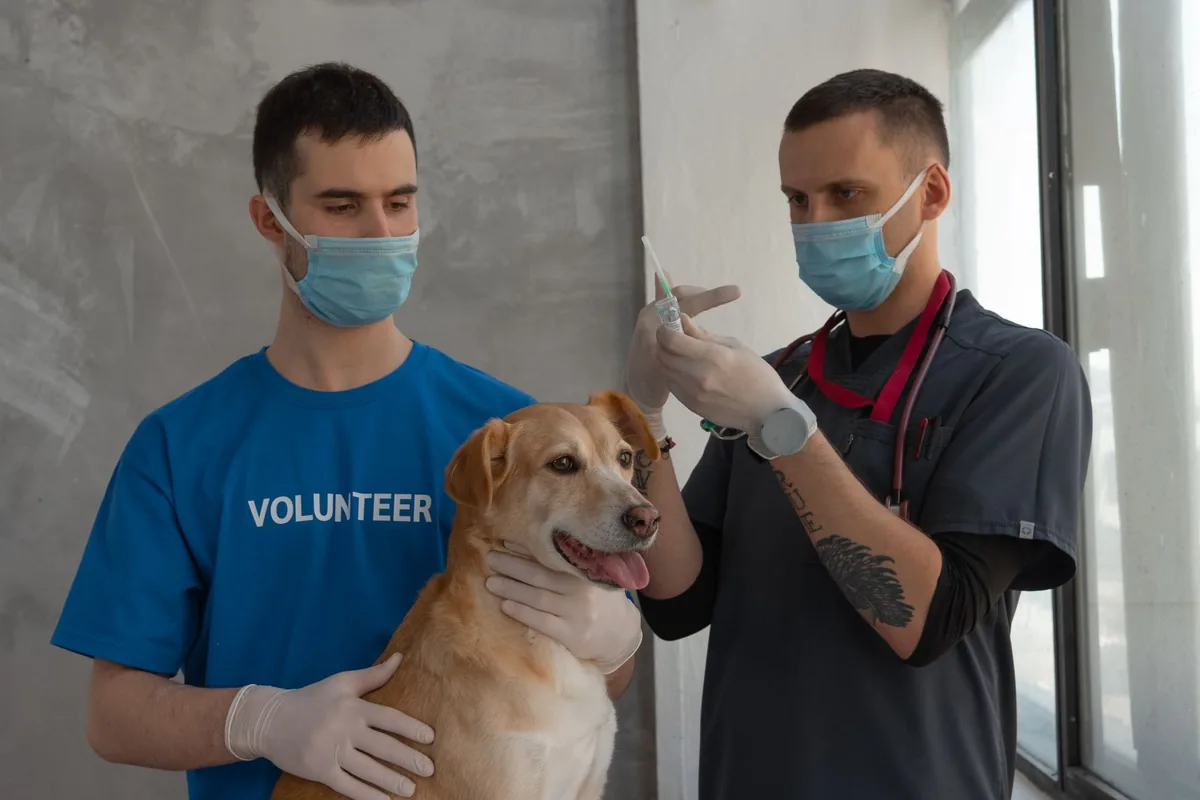
You’re probably here because you’ve been hit with the uncomfortable question: what will the average vet bill for dogs actually look like in the real world? Whether it’s a routine checkup that keeps your dog on track, a sick visit with labs and treatments, or an emergency that can’t wait, the sticker shock is often the hardest part—not knowing what’s typical, what’s optional, and what factors swing the total.
In this article, we break down realistic cost ranges by visit type—routine, sick, and emergency—and explain what usually drives those differences (things like exam length, diagnostics, anesthesia/sedation needs, and where you live). You’ll also learn how to budget more confidently: how to estimate your likely “baseline” spend, what to set aside for surprises, and how to weigh pet insurance or a savings plan based on your dog’s age, breed risks, and access to care.
If your dog is unwell, the goal is practical guidance—not guesswork. While we’ll help you understand the common components of a vet bill and the questions that reduce uncertainty, your veterinarian is the right person to confirm what’s medically appropriate for your pet and to provide an individualized estimate for your location and situation.
What “average vet bill for dogs” really means (and why it varies)
Define average vs. median, per-visit vs. annual totals, and how locations skew numbers
When people search for the average vet bill for dogs, they often mean different things: the typical cost of a single office visit, the yearly total owners spend on routine care, or the cost when a pet has a serious illness. The word average can refer to a mathematical mean (which is pulled up by a few very expensive cases) or a median (the middle value that can better reflect a typical pet owner’s experience).
Per-visit numbers and annual totals tell different stories. A routine wellness visit and vaccinations are one category; emergency visits, hospital stays, or surgeries are another. Annual costs are the sum of routine care plus whatever unexpected events occur that year, so two pets with identical routines can have very different annual totals.
Geography also matters. Urban clinics, rural practices, and regions with higher veterinary staffing costs will skew averages. For that reason, ask your clinic for local examples rather than relying only on national figures. If you’re budgeting, consider both a typical per-visit expectation and a contingency fund for uncommon but expensive events.
- Questions to ask your vet or clinic: What is included in this estimate? Are there cheaper diagnostic options? Do you offer payment plans or estimates for worst-case scenarios?
- Tip: Compare per-visit and annual estimates to see how preventive care can reduce the chance of high emergency costs.
List key cost drivers: exam fees, diagnostics, medications, procedures, urgency, and specialty care
Several predictable factors drive veterinary bills. Understanding them helps you interpret averages and make smarter decisions about care, timing, and insurance. Below are the most common cost drivers you’ll see on a bill.
- Exam fees: The basic charge for a visit—includes history, physical exam, and time with the vet; scope of the exam affects the fee.
- Diagnostics: Tests such as blood work, X-rays, and ultrasound can quickly add to a visit because they require equipment and interpretation.
- Medications and supplies: Prescription drugs, injections, bandages, and long-term meds are recurring or case-specific costs.
- Procedures and surgery: Minor procedures differ greatly from major surgery that requires anesthesia and hospitalization.
- Urgency and timing: Emergency and after-hours visits often cost more because staffing and resources change.
- Specialty care: Referral to internal medicine, oncology, or surgery specialists typically increases costs due to advanced equipment and expertise.
Practical analogy: think of pet care like car care—oil changes (wellness checks) are inexpensive compared with an engine rebuild (surgery), and geographic labor costs affect both. For health decisions, consult a licensed veterinarian to discuss diagnostics, risks, and cost-saving alternatives tailored to your pet. Asking your clinic for itemized estimates and follow-up cost ranges will help you plan and compare options responsibly.
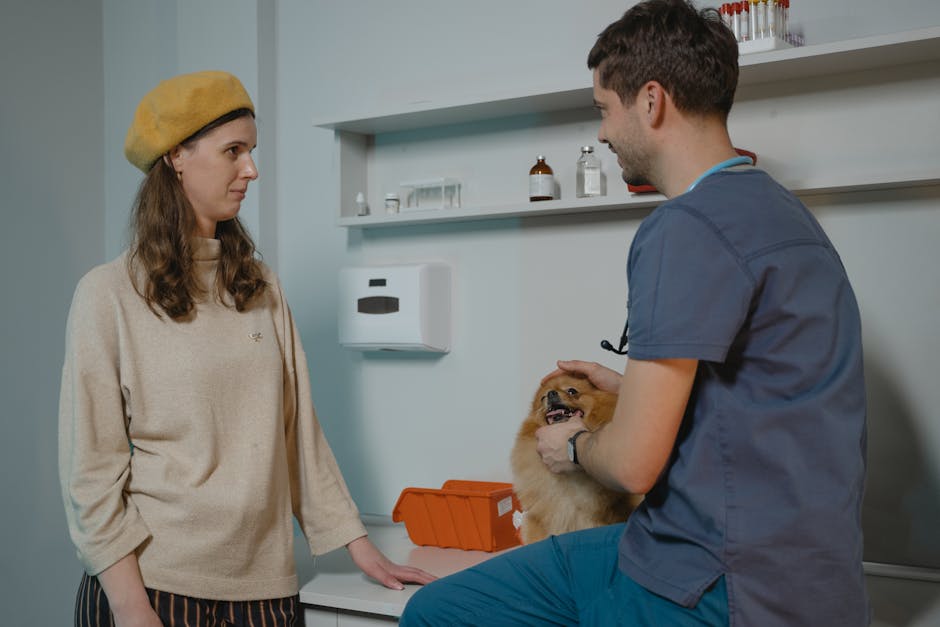
Average costs for routine vet visits (wellness exams + common add-ons)
Typical price ranges for a basic wellness exam for dogs
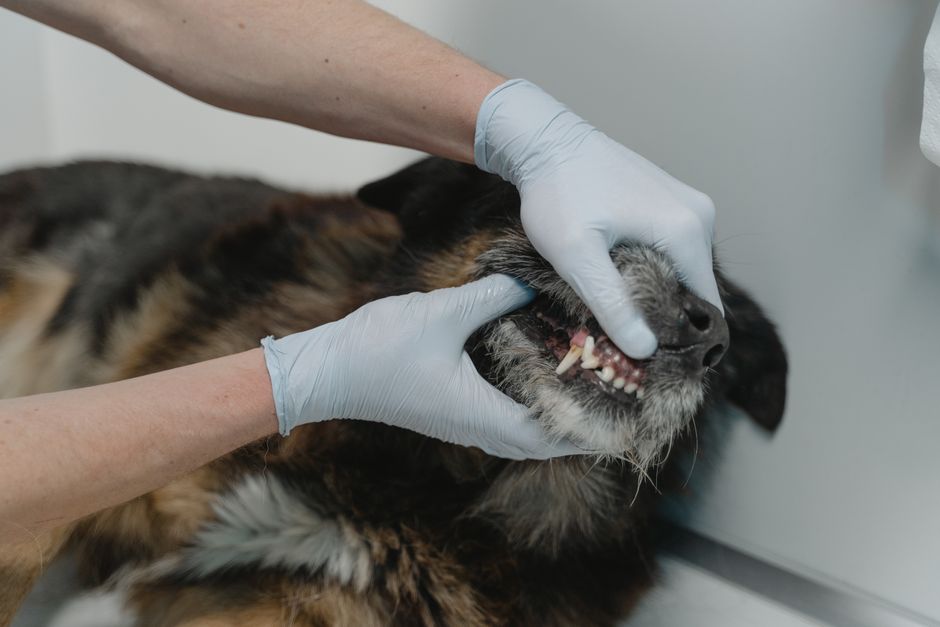
A basic wellness exam is the backbone of preventive care: a physical check, weight/body-condition assessment, and a conversation about diet, behavior, and any concerns. The average vet bill for dogs for a single wellness visit varies widely by clinic and case, though this varies widely by country, city, clinic type (private vs. low-cost clinic), and whether any tests are included.
What drives the cost more than a single number is the visit content. Factors that push the price up or down include:
- Clinic overhead and location (urban specialty clinics cost more than rural or nonprofit clinics)
- Whether basic diagnostics (fecal, rapid tests, bloodwork) are bundled or charged separately
- Veterinarian experience level and use of specialists or in-house equipment
Practical tip: call ahead and ask for a written estimate and what the exam covers. Many clinics offer wellness packages or membership plans that spread predictable costs over the year — valuable if you prefer budgeting certainty.
Common extras and their impact: vaccines, heartworm test, fecal test, nail trim/groom add-ons
Common add-ons commonly billed during a wellness visit include core and non-core vaccines, a heartworm test, a fecal test, and simple grooming services like a nail trim. Individually these items often add roughly to the baseline visit, depending on vaccine type, test method, and clinic pricing.
Typical extras and why they matter:
- Vaccines — Protect against common infectious diseases; cost varies by vaccine brand and whether a combination product is used.
- Heartworm test — Important in many regions to guide preventive treatment decisions; timing and test type influence cost.
- Fecal test — Screens for intestinal parasites; often recommended annually or more for puppies/at-risk pets.
- Nail trim / basic grooming — Quick add-on that can be charged separately or included in a wellness package.
Ask your clinic which tests are recommended for your area and whether bundling (vaccines + tests) reduces the overall bill. For medical decisions and scheduling, always confirm with a licensed veterinarian familiar with your pet.
How age affects routine care (puppy vs. senior labs and monitoring)
Age dramatically changes both the content of routine visits and the likely cost. Puppies need a series of visits for vaccinations, deworming checks, and growth/behavior counseling; these repeated visits add up over the first months. Seniors often require more frequent monitoring, including baseline bloodwork and possibly thyroid or organ-function screening as they age, which increases the routine care bill.
Key age-related differences to expect:
- Puppy schedule: multiple visits for vaccine series, parasite checks, and early socialization/advice.
- Adult maintenance: annual wellness exam with selective testing unless symptoms appear.
- Senior surveillance: more frequent exams and screening tests to catch chronic disease early.
Analogy: think of a puppy like a new car in the break-in period (more short visits), and a senior dog like an older car that needs regular inspections to prevent costly breakdowns. If cost is a concern, ask your vet which tests are essential now versus those that can be deferred, and whether payment plans or pet insurance would help manage recurring expenses. Always verify current pricing with your clinic and consult a licensed veterinarian for care decisions tailored to your dog.
Average vet bills for sick visits and non-emergency care
Typical ranges for common scenarios: vomiting/diarrhea, skin/ear issues, urinary problems, allergies
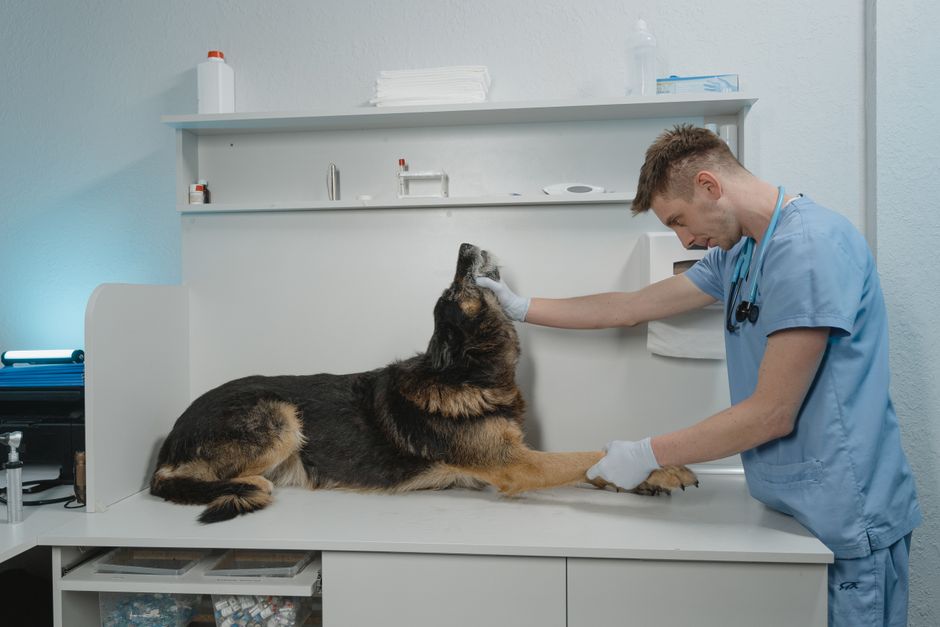
For routine sick visits many clinics charge for the exam plus any immediate symptomatic care. The average vet bill for dogs in these non-emergency scenarios varies widely by clinic and case for a basic visit and short-term meds, although regional differences and clinic type affect the total. What you pay often depends on whether the problem resolves with a simple outpatient plan or requires diagnostics.
- Vomiting/diarrhea: exam, fluids or anti-nausea medications, monitoring
- Skin/ear issues: topical meds, medicated baths, ear cleaning, possible culture
- Urinary problems: urinalysis, sometimes antibiotics or dietary advice
- Allergies: trial antihistamines or steroids, environmental management guidance
Practical tip: ask your clinic for an itemized estimate up front and whether a short prescription or a few in-clinic treatments are likely to resolve the issue. Always confirm pricing with your own vet and consult them for diagnosis and treatment options.
How diagnostics change the bill: fecals, bloodwork, urinalysis, imaging, cytology
Diagnostics are the biggest driver of variability. A visit that stays at the exam-and-medication level is usually cheaper than one that requires multiple tests. Typical diagnostics—from a fecal test or urinalysis to blood panels and imaging—can add costs that varies widely by clinic and case for single basic tests to more for combined panels or advanced imaging.
- Fecal/urinalysis: quick, informative, often first-line
- Bloodwork: screens organ function, infection, major contributors to decision-making
- Imaging (X-ray/ultrasound): used when internal problems are suspected
Ask which tests are most likely to change treatment and whether results are available same-day. Insurer claims data and veterinary guidance (e.g., AVMA/ASPCA recommendations) often support prioritizing tests that clarify immediate risks before proceeding to costly imaging.
What “treatment included” usually means vs. when it becomes a bigger workup
Many clinics advertise “treatment included” for common complaints; this generally covers an exam, basic first-line medications, and short in-clinic procedures (e.g., ear cleaning, single fluid dose). What’s included varies, so ask what specific items are covered rather than assuming everything is included.
- Often included: exam fee, one or two in-clinic procedures, short prescriptions
- Triggers for a bigger workup: abnormal test results, persistent symptoms, need for imaging
- Questions to ask: “Which tests are included? What would require additional authorization?”
A simple analogy: think of the first visit as a mechanic’s quick inspection; if deeper diagnostics are needed, the bill grows because specialists, lab work, or advanced tools are used. Confirm coverage and discuss options with your vet to balance cost and clinical benefit, and always consult a licensed veterinarian for health decisions.
Average emergency and urgent care vet costs (what owners should expect)
Cost ranges for ER exam, stabilization, and monitoring
When a dog arrives at an emergency clinic, the bill usually breaks down into an ER exam/triage fee, any immediate stabilization (pain control, IV access), and ongoing monitoring. The total you see on discharge is driven more by what your pet needs than by a single flat "emergency" price. For owners asking about the average vet bill for dogs, remember that emergency cases vary widely by severity and location.
As a rough framework (confirm with your clinic), typical line items might commonly fall into these ranges and categories — these are estimates and will differ by region and case:
- Exam/triage fee:
- Initial stabilization (meds, IV catheter):
- Monitoring/hour or short-term observation:
Practical tip: ask the triage nurse for a ballpark estimate on arrival and confirm which items are time-limited vs. ongoing. Always consult a licensed veterinarian for diagnosis and treatment decisions, and verify pricing with your clinic before authorizing care.
Common high-cost causes: foreign body, trauma, severe infections, pancreatitis
Some conditions routinely push emergency bills higher because they require surgery, extended monitoring, or intensive diagnostics. Common high-cost causes include obstructions from a swallowed object, major trauma (hit by car), severe systemic infections, and acute conditions like pancreatitis.
- Foreign body obstruction: may need imaging and surgery
- Trauma: often requires stabilization, imaging, and wound or orthopedic surgery
- Severe infection or sepsis: IV fluids, bloodwork, and prolonged hospitalization
Real-world analogy: an intestinal foreign body can be like a broken pipe in your house — a quick fix if caught early, but much more expensive if it causes a secondary leak. If your pet shows worrying signs, consult a licensed veterinarian right away to assess urgency and likely next steps.
How hospitalization, oxygen/fluids, and imaging can raise bills quickly
Three cost drivers that escalate bills are hospitalization time, continuous therapies (oxygen, IV fluids), and advanced imaging (x-rays, ultrasound, CT). Hospital stays add daily monitoring and nursing care; oxygen or specialized cages increase equipment use; imaging often requires sedation and radiologist review.
- Hospitalization (per day):
- Oxygen therapy or specialized care:
- Advanced imaging and sedation:
Practical tip: early conversations about likely duration of hospitalization and alternative diagnostic strategies can help keep costs predictable. Ask your vet for an itemized estimate, and discuss payment options or second opinions when appropriate — for example, see financial options for emergency care. Always confirm exact pricing with your clinic and consult a licensed veterinarian for clinical decisions.

Annual budgeting: average total vet bill for dogs by life stage
Provide a simple annual budget framework (routine-only vs. typical year with 1–2 sick visits vs. surprise emergency year)
When owners ask about the average vet bill for dogs, the clearest answer is: it depends on the year. A simple budgeting framework helps you plan without fixing a single number. Think in three tiers: routine-only (preventive care), a typical year with a couple of sick visits, and a surprise emergency year.
Broadly, each tier can be represented as a range because costs vary by country, clinic type, and your dog’s size or breed. For planning, consider placeholder ranges for each tier: routine-only might fall near, a typical year with 1–2 sick visits might be around, and a year with a major emergency can jump to. These are estimates—confirm local pricing with your clinic.
Use this short checklist to refine your personal budget:
- Age and breed (senior or brachycephalic breeds often need more care)
- Preventive items you choose (vaccines, dental cleanings, parasite prevention)
- Likelihood of acute issues based on activity and environment
Practical tip: treat the routine-only figure as your baseline savings goal, then add a contingency equal to one typical-year estimate to cover likely sick visits.
Explain why one unexpected event can dominate yearly costs
One major reason a single event can overwhelm an annual budget is scale: preventive visits are relatively predictable, while surgeries, complex diagnostics, or hospitalization combine many services—multiple imaging studies, anesthesia, medication, and nursing care—so costs stack quickly. Factors that push a bill up include the need for advanced imaging, overnight stays, and specialist consultations.
Think of it like home repairs: a yearly gutter cleaning is routine, but a broken foundation can cost more than several years of maintenance combined. The same principle applies to veterinary care—an unexpected ACL tear or intestinal obstruction often absorbs most of a year’s veterinary budget.
Questions to ask your vet when an unexpected problem arises:
- What are the likely diagnostic steps and their estimated cost ranges?
- Are there staged options (less invasive first) and what do they cost?
- What is the expected recovery process and follow-up costs?
Always confirm price estimates with your clinic and consult a licensed veterinarian for diagnosis and treatment choices—this article explains budgeting, not medical advice.

How to lower your average vet bill without compromising care
Use preventive scheduling, ask for itemized estimates, and confirm in advance what’s included
Regular, proactive care is one of the most reliable ways to reduce the long‑term average vet bill for dogs. Scheduling routine wellness exams and vaccinations helps catch common issues early, when treatment is typically simpler and less costly. A routine wellness visit varies widely by clinic and case, though that varies by region and clinic—focus first on the services included and the problems they help prevent.
Before any appointment or procedure, ask for a written, itemized estimate and confirm which tests, medications, and follow‑ups are included. Useful questions to ask your clinic:
- What exactly is covered in this estimate, and what could add to the total?
- Are there less invasive or staged options we can consider first?
- Can I get the estimate in writing and update me if anything changes?
Always confirm details with your veterinarian about what’s medically appropriate; this article doesn’t replace individualized veterinary advice.
Compare options: general practice vs. urgent care vs. ER, and generic medications when appropriate
Choosing the right level of care can greatly affect cost. A general practice is typically best for preventive care and non‑urgent problems, urgent care clinics are useful for after‑hours but non‑life‑threatening issues, and an ER is appropriate for true emergencies. Each setting trades cost for immediacy and available equipment.
Consider these tradeoffs when deciding where to go:
- General practice: continuity of care, often lower costs for routine work.
- Urgent care: faster access outside normal hours, moderate cost increase.
- ER: 24/7 advanced care for critical cases, often the highest immediate cost.
Ask whether a generic or compounded medication is medically acceptable—generics can be much less expensive in many cases. Always check with the treating vet to confirm medication choices are safe and appropriate for your pet.
Ask about payment plans, CareCredit/Scratch-pay-style programs (if available), and community clinics
If a single bill is hard to manage, many clinics offer solutions beyond paying upfront. Ask about payment plans, third‑party financing (like CareCredit or similar providers), and whether the clinic accepts staggered payments or has in‑house sliding scales. Terms, interest, and acceptance vary, so get details in writing.
Other options to explore include community spay/neuter and vaccination clinics, nonprofit veterinary charities, and hospital‑based financial aid programs. Practical steps to take:
- Ask your clinic for a list of local low‑cost or charitable resources.
- Compare financing offers and read fee schedules carefully before enrolling.
- Consider scheduling non‑urgent care in advance to spread costs over time.
These strategies help many owners manage bills while maintaining necessary care—always confirm pricing and medical plans with your veterinarian before proceeding.

Insurance and savings strategies: which helps most for your dog’s risk profile
Pet insurance basics: reimbursement vs. direct-pay, waiting periods, exclusions, and deductibles
Understanding how a policy pays is the first step. Some plans offer reimbursement — you pay the clinic and the insurer sends money later — while others provide direct-pay or partner with clinics to settle bills at the time of service. Each model affects your cash flow and how quickly you need funds available.
Key policy features matter for real-world use:
- Waiting periods — time after enrollment before coverage starts.
- Exclusions — common exclusions include pre-existing conditions, certain hereditary issues, or elective procedures.
- Deductibles and co-insurance — determine how much you pay per claim or per year before benefits kick in.
Before buying, ask about claim turnaround times and whether the policy covers diagnostic tests or only treatments. Confirm specifics with the insurer and your clinic, and consult your veterinarian for condition-specific guidance.
When insurance is most likely to reduce your average annual cost (chronic conditions, older dogs)
Insurance tends to be most cost-effective when a dog faces predictable, recurring medical needs or a higher risk of expensive events. Owners of dogs with chronic conditions, breeds prone to hereditary problems, or senior dogs who need ongoing monitoring often see the biggest benefit.
Factors that push insurance toward value:
- High likelihood of repeated vet visits or long-term medication.
- Breed or age-related risk for costly surgeries or diagnostics.
- Household preference for spreading costs rather than paying large one-off bills.
Think of insurance as smoothing peaks in the "average vet bill for dogs" over time — it won’t cover pre-existing problems and policies vary, so read exclusions carefully and discuss likely future costs with your vet.
Alternative approach: dedicated emergency fund and how much to set aside
Some owners prefer a dedicated emergency fund instead of insurance. This gives full control over funds, avoids waiting periods and exclusions, and can be used for non-covered services. It works well if you prefer predictable short-term savings and live where premiums are high or coverage limited.
Practical steps to build a fund:
- Decide a target range, for example, based on local clinic input and comfort with risk.
- Automate monthly transfers into a separate high-yield account so savings grow without thinking.
- Keep an emergency backup plan (credit option or care credit) and review the fund annually as your dog ages.
Tip: treat the fund like an insurance premium — small, regular contributions beat scrambling later. Always confirm likely local costs with your clinic and consult a veterinarian for treatment decisions.
Quick reference: estimate your likely vet bill before you book
A short checklist to estimate cost: location, reason for visit, likely diagnostics, and expected duration
Before you call to book, run through a short, practical checklist to set expectations. The main cost drivers are where you live (urban clinics and emergency hospitals typically cost more), the reason for the visit (wellness care versus urgent illness), the diagnostics likely required (bloodwork, imaging, or cytology), and how long treatment or observation will take. These factors shape the overall bill far more than any single line item.
- Location: city vs. rural and whether it’s an after-hours or emergency facility
- Reason for visit: routine check, skin issue, lameness, vomiting, etc.
- Likely diagnostics: physical exam only, tests (blood/urine), X‑rays or ultrasound
- Expected duration: quick exam, multi-hour same-day procedure, or overnight care
As a rough orientation, an uncomplicated office visit often falls in a modest range while added diagnostics or urgent care raise the estimate proportionally; for readers wanting a placeholder to discuss with clinics, an office visit alone varies widely by clinic and case, with diagnostics and procedures adding more depending on complexity. Think of this like planning a car repair: an inspection is the inexpensive starting point, but parts and labor (tests/treatment) quickly increase the final invoice. For more planning tools see our cost planning guide. Always confirm pricing with your clinic and consult a licensed veterinarian for health decisions.
“Questions to ask at check-in” script to get a range and avoid surprises
When you arrive, a few focused questions will usually reveal a realistic range rather than a single unknown total. Use plain, non-confrontational language and ask for options: many clinics can prioritize tests or offer staging to spread costs. Below is a short script you can adapt.
- "Can you give me a typical cost range for a visit for [problem]—exam only, exam with basic bloodwork, and exam with imaging?"
- "If you suspect [condition], what are the next likely tests or treatments, and which of those are urgent versus optional?"
- "Do you offer written estimates or a phone call before doing non-emergency tests or procedures?"
Ask about payment options and whether the clinic can prioritize tests: for example, managers may recommend doing a focused test set first and waiting for results before ordering advanced imaging. This approach can help you decide whether to proceed immediately, seek a second opinion, or discuss financing or insurance. Remember, these cost discussions are about planning—always follow the veterinarian’s clinical advice for diagnosis and treatment. For many owners, getting a short written estimate at check-in reduces anxiety and prevents surprises on the final bill.
Conclusion
When planning an average vet bill for dogs, the biggest takeaway is that the visit type matters: routine care is usually the most predictable, sick visits can range widely depending on exams and diagnostics, and emergencies commonly carry the highest variability due to urgency, staffing, and tests. In practice, your dog’s age, symptoms, location, and how quickly treatment is needed often push costs up or down more than any single “standard” fee.
A responsible next step is to budget with a range, ask your clinic for an itemized estimate before treatment when possible, and clarify options if your dog needs tests or follow-ups. If you’re deciding about insurance, compare coverage limits and exclusions for your dog’s life stage. For health decisions, confirm diagnoses and next steps with a licensed veterinarian—then share this article with another pet owner who’s planning ahead.
References
- How Much Does a Vet Visit Cost? Average Pricing By Procedure (carecredit.com)
- How Much Does a Vet Visit Cost? (2026 Price List) | Pawlicy Advisor (pawlicy.com)
- Average cost of a vet visit for dogs: Must-know facts and figures (thezebra.com)
- How Much Does a Vet Visit Cost? - Lemonade Pet Insurance (lemonade.com)