

If you’re wondering how much does a vet visit cost, you’re not alone—most pet owners face the same dilemma when their dog won’t stop scratching, their cat seems “off,” or something serious might be happening after hours. The sticker shock is real, especially when you’re trying to balance your pet’s health needs with a budget you can’t stretch indefinitely. This article breaks down what you can realistically expect to pay for routine checkups, sick-visit appointments, and emergency care, and how those totals can change from one clinic to the next.
We’ll walk through the typical cost ranges (not made-up single numbers), what drives the price up or down—like exams, diagnostics, imaging, lab work, medications, and after-hours fees—and how to plan for “unknowns” when you don’t yet have a diagnosis. You’ll also learn practical ways to get clearer pricing quickly, including what to ask at the front desk and how to request an estimate before decisions are made.
If your pet is currently sick or in distress, use this guide to prepare for the financial side—but rely on a licensed veterinarian for the medical side. We’ll help you make informed choices about whether a recommended workup is necessary, how follow-up costs often add up, and what pet insurance typically covers so you can see the potential impact before a claim becomes urgent.
Quick Answer: What Most Vet Visits Cost (and Why Prices Vary)
Typical price ranges for routine wellness vs. sick visits vs. urgent care
Many pet owners ask, how much does a vet visit cost? The short answer: it depends on the type of visit. A routine wellness appointment (annual exam, vaccines, basic parasite check) is usually at the lower end of the scale, while a sick visit (illness evaluation, additional diagnostics) and urgent or emergency care (after-hours treatment, stabilization) trend higher. Because prices vary by region and clinic, these are best described as broad estimate ranges rather than fixed fees: routine wellness visits varies widely by clinic and case, sick visits from, and urgent care from, though this varies widely.
What you’ll actually pay depends on what’s done during the visit. A wellness visit that includes vaccines and weight check will cost less than one that adds lab work or dental checks. A sick visit can escalate quickly if your vet recommends blood tests, X‑rays, or medications. Emergency clinics add staffing and after‑hours premiums, which is why urgent care is often the most expensive option.
Practical tip: before an appointment ask for an itemized estimate and which diagnostics are optional. Questions to ask your clinic include:
- Which services are included in the exam fee?
- What diagnostics might be recommended and why?
- Are there lower‑cost alternatives or a phased testing plan?
What drives cost differences (location, clinic type, appointment length, and pet size)
Several predictable factors explain price differences. Location matters—urban areas with higher rent and staffing costs tend to charge more. Clinic type matters too: general practices cost less than specialty or emergency hospitals. Appointment length and complexity are also key—longer, hands‑on consults or procedures use more staff time and resources.
Other drivers include diagnostic testing (bloodwork, imaging), pet size/species (larger animals may need higher drug volumes or different equipment), and timing (after‑hours care is typically pricier). Insurance claims data and guidance from veterinary organizations such as the AVMA and ASPCA consistently show that these categories explain most of the variation across bills.
Think of it like car care: a routine oil change is simple and inexpensive, but a diagnostic and repair after a breakdown involves labor, parts, and possibly towing. Practical steps to manage costs: request itemized estimates, compare a general practice vs. urgent clinic for non‑emergencies, and check whether pet insurance or a wellness plan would help spread predictable costs. Always confirm pricing with your clinic and consult a licensed veterinarian for medical decisions about your pet.
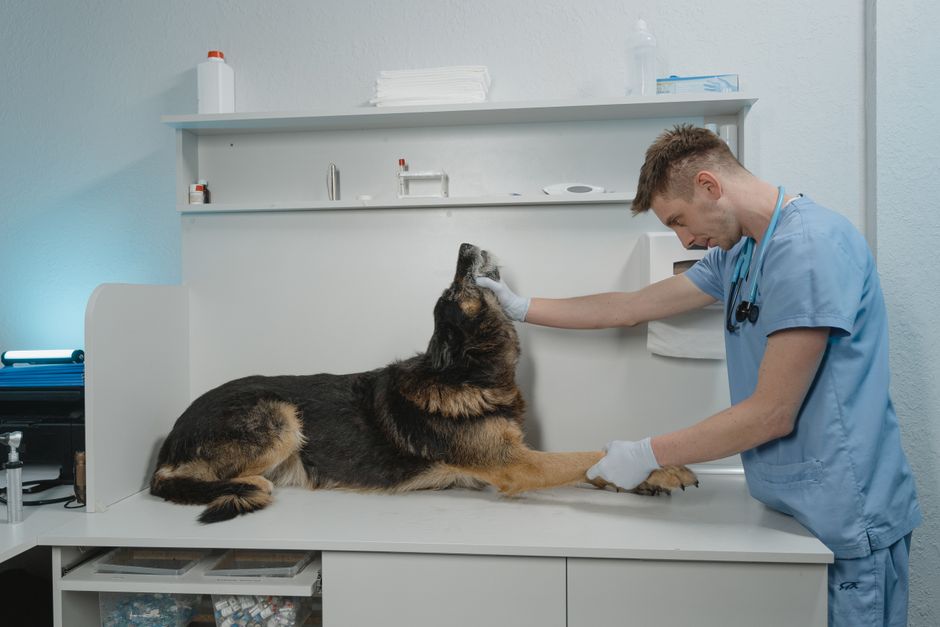
Breakdown of Costs by Appointment Type
Routine/wellness visit: exam fee plus common add-ons (vaccines, screening labs)
When owners ask "how much does a vet visit cost," they usually mean a basic wellness visit: a physical exam, preventive vaccines, and possibly routine screening. The core exam fee often covers the hands-on check and brief counseling, and varies widely by clinic and case, though this varies widely by region, clinic type, and whether the practice is in the US, UK, Canada, or Australia.
Common add-ons are predictable and optional; understanding them helps you plan. Typical items include:
- Vaccinations (core and lifestyle vaccines)
- Screening labs such as basic bloodwork for seniors
- Parasite prevention checks and microchipping
- Dental checks or a brief nail trim
Factors that push costs up: additional vaccines, same-day lab tests, or bundled wellness plans. Factors that lower costs: community clinics, bundled packages, or preventative health plans. Confirm exact pricing with your clinic and consult a licensed veterinarian for any health questions.
Sick visit/office visit: exam fee plus diagnostics (fecal/urinalysis, bloodwork, imaging)
A sick visit starts with an exam but often includes diagnostics to identify the problem. The initial exam is similar to a wellness visit in structure, but the need for tests quickly increases time and cost. Popular diagnostics are:
- Fecal and urinalysis to check infection or parasites
- Blood panels for organ function, electrolytes, or infection markers
- Imaging such as X-rays or ultrasound to inspect internal issues
Costs are driven by which tests are recommended, how urgent they are, and whether samples are processed in-house or sent to an external lab. Helpful questions to ask your vet include: "Which tests are essential now?", "Will results be available the same day?", and "Are there less expensive alternatives to confirm diagnosis?" Always confirm treatment plans and pricing with your clinic and consult a veterinarian for diagnosis and care decisions.
Emergency vet visit: triage, stabilization, monitoring, and why ER pricing escalates quickly
Emergency care is structured for rapid assessment and lifesaving treatment. An ER visit typically begins with triage, then moves to stabilization and diagnostics. Components that commonly add to the bill are:
- Triage and urgent exam plus higher after-hours staffing fees
- Stabilization measures like IV fluids, oxygen, or pain relief
- Monitoring and overnight care including repeat bloodwork and nursing observation
- Advanced imaging or specialist procedures if needed
Emergency pricing escalates quickly because ER clinics staff for overnight coverage, maintain specialized equipment, and must be ready for unpredictable, time-sensitive procedures—similar to a human emergency room. Practical tip: if possible, call ahead for an estimated range and ask for an itemized estimate; having pet insurance or an emergency fund can reduce stress. For any medical decisions, consult a licensed veterinarian who can advise based on your pet’s specific condition.
Common Services and Their Typical Price Ranges
Vaccinations and boosters (rabies, DHPP/FVRCP) and wellness package examples
Routine vaccinations—like rabies and core shots often grouped as DHPP (dogs) or FVRCP (cats)—are typically administered during a brief wellness visit. Many clinics offer a basic wellness package that bundles the exam with one or more vaccines, a fecal screen, or parasite prevention starter doses. The total for a simple vaccine visit varies widely by clinic and case, though this varies widely by region and clinic type.
What drives the cost is usually clear: single vs. combination vaccines, state-required rabies certification, whether the visit includes an exam or additional preventive services, and whether you see a general practice or low-cost clinic. If you’re asking "how much does a vet visit cost" for vaccinations specifically, comparing what’s included in the visit is more important than the base price—two clinics can charge the same but include very different services.
Common items bundled in wellness packages often include:
- Initial physical exam and vaccine administration
- Fecal parasite test or deworming starter
- Basic parasite prevention advice or starter doses
- Microchip registration or simple microchipping (if offered)
Diagnostic basics (urinalysis, fecal test, ear/skin tests) and when they’re usually recommended
Basic diagnostics such as urinalysis, fecal flotation, and ear or skin cytology are common when pets show signs like changes in urination, diarrhea, itching, or ear discharge. These tests are quick ways to narrow down causes and often recommended at first presentation of symptoms, during senior wellness screens, or pre-anesthesia checks. Expect a diagnostic visit with one or more tests to commonly fall into a broad estimated range of roughly, depending on which tests are run and whether microscopy or lab send-outs are needed.
Costs vary because some clinics process tests in-house while others send them to external labs, and because interpretation time and repeat testing can add fees. Factors that usually increase cost include repeat sampling, culture & sensitivity, or lab panels that bundle multiple tests.
Questions to ask your vet before diagnostics:
- Which specific tests do you recommend and why?
- Can any tests be done in-house versus sent to an external lab?
- How will results change the treatment plan or next steps?
More expensive possibilities (X-rays, ultrasound, dental care starters, basic procedures)
Advanced diagnostics and procedures—like X-rays, ultrasound, starter dental care (scaling, oral exam under anesthesia), or minor lump removals—are where prices become more variable. These services commonly require sedation or anesthesia, specialized equipment, and additional staff time, so the typical total for visits that include imaging or dental work usually falls into a wider estimated range of roughly.
Major cost drivers include whether general anesthesia is required, the number of images or views, the need for specialist interpretation, and whether additional treatment (extraction, biopsy, or hospitalization) follows the procedure. A practical analogy: think of basic diagnostics as a blood pressure check, while imaging and dental procedures are closer to a CT scan or dental surgery—more time, more equipment, more expertise.
To manage costs and make informed decisions, consider asking:
- What are the likely outcomes and next steps if imaging or dental work finds a problem?
- Can any part of the work be staged, or do you recommend doing it all at once?
- Are payment plans, estimates, or second-opinion options available?
These descriptions are intended to help you plan and discuss options with your clinic; always confirm pricing with your provider and consult a licensed veterinarian for diagnosis and treatment decisions.
Online Vet Visits and Phone Triage: Are They Cheaper?
Typical ranges for tele-vet consults and what they can (and can’t) replace
Many pet owners ask how much does a vet visit cost and whether a video or phone call can lower that bill. In general, a tele-vet or phone-triage consult is designed to provide rapid advice, symptom assessment, medication reviews, and follow-up checks without a hands-on exam. These services are often billed as a shorter consult fee and are typically less than a full in-clinic visit; exact ranges vary by provider and region and are best confirmed with your clinic (example ranges:).
Telemedicine is well-suited to replace or reduce costs for:
- minor behavioral or nutrition consultations
- post-op check-ins that don't require physical sutures removal
- triage for mild, acute symptoms where the vet can safely observe by video
However, tele-visits cannot fully replace a hands-on physical exam, in-clinic diagnostics (bloodwork, X-rays, ultrasound), vaccinations, or surgical procedures. If a remote consult suggests testing or in-person care, that will add to the total cost. Always confirm with the tele-vet what is and isn’t included in the fee, and consult a licensed veterinarian for any diagnosis or treatment decisions.
When an online visit may still lead to in-person diagnostics, affecting total cost
A common scenario: a tele-triage call flags concerning signs (dehydration, severe pain, breathing issues) and the vet recommends immediate in-clinic evaluation. That means the initial, lower-cost consult becomes the first step in a larger bill that may include diagnostics, treatment, or hospitalization. Think of it like a car phone call that identifies a worrying noise but then requires towing and a shop inspection—initially cheap, but potentially the start of bigger expenses.
Factors that commonly push a tele-visit into higher in-person costs include:
- need for blood tests or urine analysis
- diagnostic imaging (X-ray, ultrasound)
- intravenous fluids, injections, or emergency treatment
- overnight observation or surgery
Practical tip: before the consult, ask what follow-up fees or exam charges apply if an in-person visit is recommended, and whether any portion of the tele-fee is credited toward the clinic exam. For more on estimating a complete visit, see estimate total vet costs. As always, verify pricing with your clinic and consult a qualified veterinarian for any health concerns about your pet.

How to Get the Best Price Without Cutting Care
Questions to ask before you book: exam fee, expected add-ons, and estimate policies
When you phone a clinic, start by asking the simple core questions: the clinic’s exam fee, what is typically included, and whether routine diagnostics (bloodwork, urinalysis, X‑rays) are quoted separately. If you're wondering "how much does a vet visit cost," the first answer you should get is the base exam fee and whether it covers a physical exam only or also includes basic checks like vaccines or parasite tests.
Before you commit, ask these specific questions so there are no surprises:
- What is the exam fee and what does it include?
- Which services are commonly billed as add‑ons (lab work, imaging, medications)?
- Do you provide written or emailed estimates and how long are they valid?
How to request itemized estimates, payment options, and cost-saving alternatives
Ask for an itemized estimate before procedures or when diagnostics are planned. A clear, line‑by‑line estimate shows which components drive cost and makes it easier to discuss less expensive alternatives or to prioritize tests. Request that estimates be emailed so you can review them calmly and compare options.
When negotiating costs, try these practical steps:
- Request an itemized written estimate and a brief explanation of each line item.
- Ask if tests can be staged—run essential diagnostics first, then decide on advanced imaging.
- Explore payment options: credit, payment plans, or third‑party veterinary financing.
Whether pet insurance, wellness plans, or membership programs can lower your bill
Different tools lower out‑of‑pocket costs in different ways. Pet insurance typically helps with unexpected illness or injury (after deductibles and exclusions), while wellness plans or clinic membership programs often cover routine care (vaccines, annual exams) for a predictable monthly or annual fee. Which is best depends on your pet’s age, breed risks, and your financial tolerance for surprise bills.
Key points to check before enrolling:
- Waiting periods, exclusions, and what conditions are preexisting.
- Whether wellness plans cover vaccines and routine labs or just discounts.
- How reimbursements work and whether the plan lowers immediate at‑clinic costs.

What to Do If You Can’t Afford the Visit
Low-cost clinics, charity programs, and humane society options
If you're asking how much does a vet visit cost and feeling sticker shock, know there are legitimate lower-cost paths. Many communities have low-cost clinics, veterinary teaching hospitals, and nonprofit programs that handle basic exams, vaccinations, and common procedures at reduced rates. These options are often run by humane societies, university clinics, or local animal welfare charities.
Consider checking these resources and asking about eligibility—some programs use income-based sliding scales, while others run periodic vaccine or wellness clinics. Practical sources to look into include:
- Local humane societies and animal welfare nonprofits
- Veterinary schools/teaching hospitals (they may offer supervised care at reduced cost)
- Charitable funds and crowd-funding groups specific to pet medical help
Tip: call ahead and explain the problem; many clinics will triage by phone and tell you whether a low-cost clinic is appropriate or whether urgent care is necessary. Always confirm pricing and what services are included before you go, and consult a licensed veterinarian for diagnosis and treatment decisions.
Negotiating payment plans and prioritizing needs during emergencies
If you can’t pay in full, many clinics are willing to discuss payment plans or staged care. Explain your situation calmly and ask what can be done now versus what can safely wait. Vets often prioritize immediate life-threatening issues and can outline lower-cost interim steps.
Questions to ask your clinic or emergency hospital include:
- Which diagnostics or treatments are immediately necessary versus recommended later?
- Can services be prioritized or staged to spread cost over time?
- Do you offer in-house payment plans, or can you refer me to charitable funds?
Think of this like triage: address airway, bleeding, severe pain or shock first, then follow-up diagnostics once stabilized. Confirm any quoted costs with the clinic—estimates vary widely by region and case—and always follow the vet’s guidance for next steps.
Red flags that mean you should skip saving and seek urgent care
Some signs suggest waiting to save is unsafe. If your pet is having trouble breathing, is unresponsive, has severe bleeding, is seizing, or can’t stand and is deteriorating quickly, these are red flags for immediate professional care. In such cases, delaying can increase costs and risk.
Common red flags include:
- Difficulty breathing or bluish gums/mucous membranes
- Uncontrolled bleeding or suspected broken bones with severe pain
- Repeated seizures, collapse, or sudden severe weakness
When in doubt, call your vet or an emergency clinic and describe the signs—vet staff can help assess urgency over the phone. Remember to confirm any price estimates with your provider and consult a licensed veterinarian for definitive diagnosis and treatment recommendations.

Estimate Your Vet Bill: A Simple Cost Checklist
A quick checklist of details that change pricing (pet age, symptoms, meds, history, location)
When estimating costs, focus on the variables the clinic will consider. Key drivers are your pet’s age and breed (senior pets or brachycephalic breeds often need extra screening), the severity of symptoms, whether diagnostics are needed, existing medications or chronic conditions, and your clinic location (urban vs. rural can differ). These factors usually explain more of the price variance than the appointment label itself.
Before calling for an estimate, gather basic facts so the clinic can give a realistic range. Typical sources such as the AVMA, ASPCA, and insurer claim overviews show that prices vary regionally, so ask for a written or emailed estimate and clarify whether follow-up visits are included.
- Pet age and breed (puppy/kitten vs. senior)
- Presenting symptoms and duration
- Existing medications or chronic conditions
- Diagnostics likely needed (bloodwork, imaging, cytology)
- Geographic location and clinic type (emergency hospital vs. general practice)
Example “worst-case vs. best-case” scenarios for routine vs. sick vs. emergency visits
Thinking in best- and worst-case terms helps set expectations. For a routine wellness visit, the best-case is a brief exam and vaccinations; the worst-case might add bloodwork or additional vaccines. For a sick visit, best-case is an exam with short-term supportive treatment; worst-case may require diagnostics and multi-day treatment. For an emergency, best-case is stabilization and discharge; worst-case could include surgery or hospitalization.
Because pricing is local and case-specific, ask clinics "what typical ranges do you see" rather than a single figure. As a placeholder for comparison, clinics often give a range like depending on those scenarios — confirm with your clinic for a precise estimate.
- Routine: exam ± vaccines (best vs. more tests)
- Sick: exam ± diagnostics, outpatient treatment vs. inpatient care
- Emergency: stabilization vs. surgery/hospitalization
How to prepare for the appointment to avoid unnecessary repeat visits
Preparation reduces surprises and repeat visits. Bring a concise history (on paper or phone), a list of current meds and supplements, photos or short videos of the problem, and notes on when symptoms started. Clear documentation helps the vet choose efficient diagnostics and initial treatment.
Ask targeted questions so you leave with a clear plan and cost expectations. Confirm whether recommended tests are optional, what follow-up will look like, and approximate price ranges. Always verify pricing with your clinic and consult a licensed veterinarian for diagnosis and treatment decisions.
- Items to bring: med list, prior records, photos/videos
- Questions to ask: "What are the likely next steps?" "What costs are optional vs. recommended?" "When should I call back or return?"
- Practical tip: request a written estimate and an explanation of follow-up care to avoid surprise repeat visits
Conclusion
So, how much does a vet visit cost? In practice, pricing for routine, sick, and emergency appointments typically varies widely by location, clinic overhead, and the complexity of your pet’s case. Routine visits often cost less than visits that require diagnostics, imaging, or lab work, while emergencies can add significant triage and urgent-care charges. Even within the same city, fees may differ based on whether your pet needs anesthesia, ongoing monitoring, or specialty referral.
Before you decide, ask your clinic for an itemized estimate and what to expect if symptoms worsen. If your pet is aging, has chronic conditions, or you’re budgeting proactively, comparing pet insurance options can also help reduce surprise bills. If your pet seems unwell or worsening, contact a licensed veterinarian promptly. For more accurate budgeting, share your situation in the comments and we can help you think through the likely cost drivers.
References
- How Much Does a Vet Visit Cost? Average Pricing By Procedure (carecredit.com)
- How Much Does a Vet Visit Cost? (2026 Price List) | Pawlicy Advisor (pawlicy.com)
- How Much Does a Vet Visit Cost? | U.S. News (usnews.com)
- How Much Does an Emergency Vet Visit Cost? (violetcrownvet.com)