
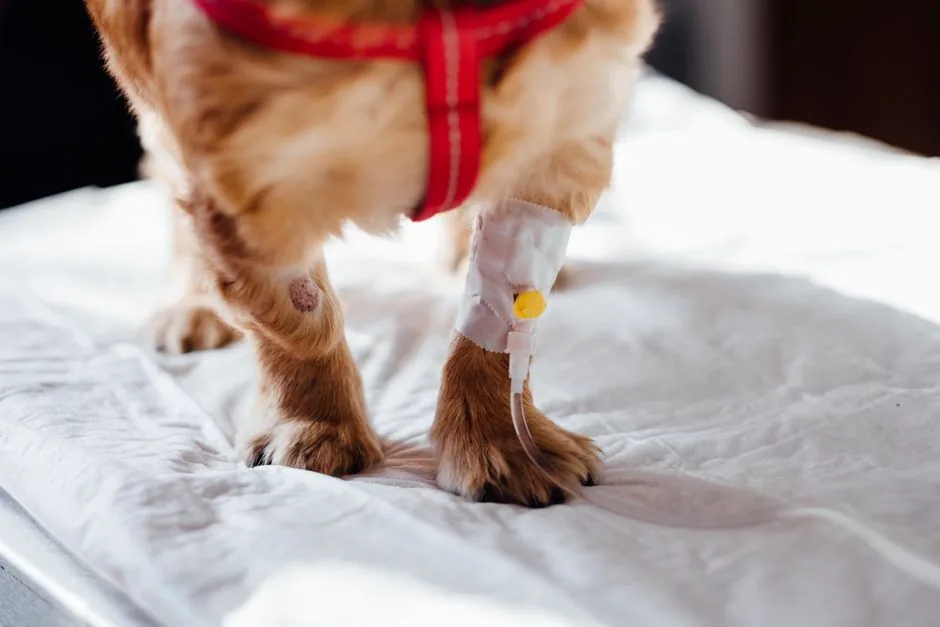
If your veterinarian has mentioned a suspected ACL tear or CCL injury, you’re probably already doing the math—especially if you don’t have pet insurance. Many owners ask the same question: what will the dog acl surgery cost without insurance actually look like in 2026, and what parts of the bill you can expect to pay for (or potentially negotiate) along the way?
In this article, we’ll break down the typical cost ranges you may run into across the US, UK, Canada, and Australia, without pretending there’s one universal “correct” number. You’ll also learn what drives the price up or down—things like imaging, surgeon and hospital fees, anesthesia, implants or stabilization methods, follow-up visits, pain control, and rehab needs. Since every case is a little different, we’ll focus on the cost categories that tend to matter most.
Most importantly, we’ll help you make a confident decision: when surgery may be recommended, what questions to ask your vet before committing, and how to compare your options if you’re balancing health outcomes with budget reality. As always with pet medical care, confirm treatment and pricing details with a licensed veterinarian—especially if you’re dealing with severe pain, instability, or your dog’s age and overall health.
Quick answer: expected dog ACL/CCL surgery cost without insurance
Average price ranges for ACL/CCL surgery by dog size and procedure type (TPLO, TTA, extracapsular)
Broadly speaking, the dog ACL surgery cost without insurance depends more on the procedure chosen and the individual dog than a single national price. For major procedures you’ll commonly see ranges described like TPLO (tibial plateau leveling osteotomy), TTA (tibial tuberosity advancement), and extracapsular (lateral suture) — each varies widely by clinic and case, though this varies widely by region, surgeon, and complexity.
Factors that push costs up or down include dog size, need for advanced imaging (like CT or MRI), whether an orthopedic specialist performs the surgery, and expected hospital stay. Common cost drivers:
- Dog size/weight: larger dogs often need bigger implants and longer surgery time
- Procedure complexity: TPLO/TTA are more technical than extracapsular techniques
- Pre-op and post-op care: imaging, lab work, rehabilitation, and medications
What “cost without insurance” usually includes vs. what’s commonly billed separately
When a clinic quotes a price “without insurance,” they often mean the core surgical package: pre-anesthesia exam, anesthesia, the surgery itself, basic implants, and a short hospital stay. However, many clinics bill additional items separately, so ask whether the estimate is itemized.
Items that are commonly included or separate:
- Commonly included: anesthetic time, surgical technician time, basic implants
- Often billed separately: advanced imaging, bloodwork, pain meds to take home, physical rehab, long-term follow-up x‑rays
- Possible extra costs: infection or complication management, revision surgery, extended hospitalization
Red flags that may indicate you’re being quoted an incomplete estimate
Watch for quotes that are vague or pressuring. Red flags include no written, itemized estimate; a price that seems unusually low compared with other local clinics; no discussion of follow-up visits or rehab; or a surgeon who won’t discuss complication rates or alternatives.
Practical tips: ask for a written, itemized estimate; compare 2–3 local clinics; and ask specific questions (see list). Think of it like getting a home-repair quote — clarity, written details, and a plan for follow-up are what protect you and your dog. Always confirm costs and care plans directly with a licensed veterinarian before deciding.
- Questions to ask your vet: “What exactly is included?”, “What are common complications and costs if they occur?”, “How many of these procedures do you perform per year?”
- Practical tip: request a payment plan or estimate for post-op rehab up front
- When unsure, seek a second opinion from an orthopedic specialist
Why the price varies so much (procedure, location, and severity)
How surgeon approach, technique choice, and knee biomechanics affect total cost
The surgical technique a veterinarian recommends is one of the biggest cost drivers. Options range from minimally invasive repairs to more complex stabilization procedures; each needs different implants, operating time, and post-op care. A surgeon’s specialty training and experience also affect the bill—more experienced surgeons may charge more but can reduce complication risk.
Think of it like car repairs: a simple tune-up is cheaper than replacing a gearbox. Ask your clinic about the specific approach they plan, why it’s chosen for your dog’s anatomy, and what implants or grafts will be used.
- Procedure complexity (implant type, cuts, reconstruction)
- Surgeon expertise (generalist vs. board-certified surgeon)
- Operating time and anesthesia requirements
Impact of patient factors: body weight, activity level, bilateral risk, and chronicity
Individual patient factors change both technique and recovery cost. Heavier, very active, or athletic dogs often need sturdier reconstructions and longer rehab; chronic or long-standing tears may require additional joint cleaning or treatment for arthritis. Bilateral tears or high risk in the opposite knee can double or stagger costs over time.
Practical tip: bring your dog’s activity history and any prior imaging to the consult. That information helps the clinic give a more accurate estimate and realistic rehab plan.
- Body weight and size
- Activity level (working vs. couch companion)
- Chronicity (acute vs. long-term damage)
Geography and clinic pricing: how regional labor/overhead changes the quote
Where you live matters. Regional labor rates, rent, and local supply costs influence clinic fees. Urban referral centers often have higher overhead than rural general practices, and that shows up in estimates. Insurance and local demand can also affect pricing patterns.
When asking about dog acl surgery cost without insurance, ask for a written estimate that itemizes surgeon fees, hospital fees, implants, imaging, and rehab so you can compare clinics fairly.
- Local labor and rent
- Availability of specialists
- Typical local demand and referral patterns
Why “per knee” pricing matters if both legs are involved or likely to be
Most clinics price surgery on a per knee basis because each reconstruction is a separate procedure with its own materials, anesthesia time, and recovery needs. If both knees are affected now or likely to become so, plan for staged surgeries or simultaneous repair—each choice affects total cost and recovery logistics.
Questions to ask your vet before consenting:
- Is the quote for one knee or both?
- Can repairs be done at the same time safely?
- What are expected rehab costs and follow-up visits?
Always confirm estimates with your clinic and consult a licensed veterinarian to choose the safest, most cost-effective plan for your pet.
Full cost checklist: what you may pay from exam to recovery
Pre-surgery costs: exam, X-rays/diagnostics, bloodwork, anesthesia consult
Before any operation starts, expect fees for a physical exam, imaging (X-rays or other diagnostics), pre-op bloodwork, and an anesthesia consult. The overall dog acl surgery cost without insurance can vary greatly; estimates varies widely by clinic and case, though this varies widely by geography, clinic type, and the dog’s condition.
What drives these fees is more important than a single number: complexity of diagnostics, whether advanced imaging is needed, and how thorough the anesthesia assessment must be. Ask your clinic these questions before you agree to surgery:
- What is included in the pre-op estimate (tests, consults, monitoring)?
- Will additional imaging or specialist consults likely be required?
- Which results could change the surgical plan or add costs?
Surgery-day costs: anesthesia, surgery fees, implants/hardware, hospitalization
Surgery-day charges usually cover the surgeon’s fee, anesthesia time and monitoring, any implants or special hardware, plus the immediate hospitalization period. Implant choice or the need for a specialist surgeon can be a major cost driver.
Factors that push costs up or down include your dog’s size, whether complications occur, and local labor costs. To compare clinics, ask for a written estimate that breaks down:
- Surgeon and anesthesia itemized fees
- Implant or device costs (if applicable)
- Expected length of hospitalization and monitoring
Post-op costs: pain meds, antibiotics (if prescribed), recheck visits, suture care
After discharge you’ll likely pay for pain control, any prescribed antibiotics, follow-up rechecks, and suture removal or wound care supplies. Medication choices, number of rechecks, and whether the clinic includes bandage changes affect the total.
Remember to confirm whether follow-up visits are bundled or charged separately and to check if prescriptions can be filled through lower-cost pharmacies. Typical items to clarify:
- Number and timing of recheck visits included
- Which medications are covered in the estimate
- Wound-care supplies and suture removal fees
Rehab and support: physical therapy, controlled leash rest, hydrotherapy, braces
Rehabilitation often helps outcomes but adds ongoing expense: professional physical therapy, structured leash rest, hydrotherapy sessions, or a supportive brace. Rehab frequency and duration are major cost variables.
A simple analogy: recovery is like repairing a road—you can patch it quickly or invest in staged reconstruction for a stronger result. Practical tip: compare per-session rehab costs and ask about home-exercise plans to reduce visits.
- How many PT sessions are typically recommended?
- Are home-exercise guides provided, and are they included?
- Is hydrotherapy billed per session or as a package?
Optional but common add-ons: ultrasound, advanced imaging, mobility aids
Some dogs need extras such as an ultrasound, CT/MRI, or custom mobility aids. These are common but optional depending on case complexity; clinics should list them separately so you can decide based on need and budget.
If cost is a concern, ask which add-ons are essential versus nice-to-have and whether staging diagnostics (doing only the most important tests first) is safe. Typical optional items include:
- Advanced imaging (CT/MRI) for complex cases
- Diagnostic ultrasound or specialist consultations
- Mobility aids like harnesses or braces purchased separately
For any questions about what’s necessary for your dog, consult your veterinarian to tailor diagnostics and recovery to your pet’s needs and your budget.
Realistic examples: how much different dog owners typically spend
Example scenarios by dog size category and common procedure (with estimated totals)
Owners frequently ask for ballpark figures for ACL repairs. Because clinic fees, surgeon experience, and regional costs vary, an estimated total for a routine cruciate (ACL) repair usually falls into a broad range — typically from roughly — but that number is only a starting point. For clarity, owners often group examples by dog size and by the common techniques (extracapsular repair, tibial plateau leveling osteotomy/TPLO, or tibial tuberosity advancement/TTT).
Think of it like car repairs: a small engine job on a compact car will often cost less than extensive suspension work on a large SUV because parts, anesthesia time, and post-op care scale with size. Below are the typical cost components that drive those example totals:
- Pre-op workup: exams, blood tests, imaging (X‑rays or CT)
- Surgery: surgeon fees, anesthesia, implants or suture materials
- Post-op care: hospitalization, pain control, bandages, follow-up visits
Because clinics price items differently, always ask for an itemized estimate so you can compare similar services rather than only comparing a single final figure for each size category. For those checking "dog acl surgery cost without insurance," remember these are estimates and will vary by case.
How chronic tears or additional issues (meniscus injury) can change the final bill
When the ACL tear is chronic, or if the meniscus is damaged, the surgery often becomes more complex. Chronic tears may cause joint changes that lengthen anesthesia time, require additional debridement, or need extra implants — all of which increase the final bill compared with a straightforward, acute repair.
Common factors that push costs higher include:
- Concurrent meniscal release or repair
- Arthritic changes requiring more extensive cleanup
- Revision surgery after a failed repair
Ask your vet how often they see these complications and how they would be billed (one bundled price vs. separate line items). Always confirm clinical recommendations with a licensed veterinarian who has examined your dog.
What to ask the clinic to make your estimate comparable across providers
Getting comparable estimates requires consistent questions. Request a written, itemized estimate and ask the clinic to spell out follow-up costs and potential add-ons. This makes it possible to compare the true scope of care rather than just the headline number.
Useful questions to ask include:
- What exactly is included in the quoted price (implants, anesthesia, hospitalization)?
- How are complications or additional procedures (like meniscal repair) billed?
- What is the expected length of hospitalization and number of follow-up visits?
- Do you offer payment plans, or can you provide an estimate for clients without pet insurance?
Practical tip: get at least two written estimates and compare line-by-line. See our estimate checklist to help organize questions before you call. And again, confirm any medical advice with your veterinarian who knows your dog's history and exam findings.
Financing and ways to reduce dog ACL surgery cost without insurance
Payment plan vs. credit options: what to expect and how to compare fees/interest
When planning for an ACL repair, many owners compare a veterinary payment plan (clinic-managed) with third-party credit options. The phrase dog acl surgery cost without insurance often prompts this question: payment plans may spread the bill with no external credit check, while credit cards or medical credit lines can offer promotional periods but may carry higher interest afterward.
Compare options by looking at the total amount paid over time, any setup or monthly fees, and what happens if you miss a payment. Ask clinics for examples of a typical payment schedule and request written terms.
- Ask for the annual percentage rate (APR) and any deferred-interest clauses.
- Check whether the clinic charges an administration fee for in-house plans.
- Compare minimum monthly payments and penalties for late payment.
Low-cost care resources: humane societies, vet schools, rescue grant programs
There are several routes to reduce out-of-pocket costs without compromising care. Many humane societies, university veterinary teaching hospitals, and charities offer reduced-cost surgery programs or sliding-scale fees. Veterinary schools can be particularly helpful because supervised students perform procedures at lower rates.
Search local organizations and national grant programs for pet medical assistance; availability varies by region and funder. Confirm eligibility and expected timelines before relying on these options.
- Contact local humane societies and animal welfare groups.
- Call nearby vet schools to ask about referral procedures.
- Look for breed-specific or emergency medical grant programs run by rescues.
Negotiating with clinics: requesting itemized estimates and “cash price” options
Request an itemized estimate so you can see major cost drivers—surgery fee, anesthesia, implants, post-op care, and follow-up visits. Clinics often have flexibility on non-medical fees or can suggest less expensive but appropriate implant choices.
Politely ask about a cash price or discounts for full upfront payment, and check whether alternative, medically appropriate plans exist. A simple analogy: negotiating a vet bill is similar to getting a car repair estimate—you want the line-by-line list before deciding.
- Request written, itemized quotes and compare two clinics if possible.
- Ask which items are essential vs. optional (e.g., certain diagnostics or luxury bandaging).
- Inquire about bundled pricing for surgery + follow-ups.
Timing strategies: what’s urgent medically vs. what may be safely scheduled
Not every knee injury requires immediate surgery; some dogs can be stabilized with rest, controlled activity, and medical management while you arrange funds or resources. Discuss with your vet which signs indicate urgency (severe pain, inability to bear weight) and which cases may allow short-term scheduling flexibility.
Practical tip: if surgery can wait a few weeks safely, use that time to compare clinics, apply for assistance, or set up a payment plan. Always confirm timing decisions with a licensed veterinarian to avoid risking your dog’s recovery.
- Ask your vet: “Is this an urgent emergency or can we schedule within X weeks?”
- Monitor pain, mobility, and appetite and report changes promptly.
- Use the scheduling window to gather estimates and financial help.
Insurance isn’t the only coverage: assistance programs and alternatives to surgery
If you’re currently uninsured: how to check eligibility for pet assistance or employer benefits
If you don’t have pet insurance, the out-of-pocket dog ACL surgery cost without insurance can be daunting. Before assuming full payment, check charities, veterinary assistance funds, and employer benefits that may cover some or all of the bill. Eligibility rules vary by organization and region, so a quick checklist helps.
Start by contacting your regular clinic and asking about local charitable programs, payment plans, or third-party medical lenders. Also ask your HR department whether any employer benefits include pet health reimbursements or emergency grants.
- Local animal welfare charities and breed-specific foundations
- Veterinary clinic payment plans or sliding-scale funds
- Employer benefit programs, employee assistance funds, or crowdfunding platforms
Non-surgical management options when appropriate (restricted activity, rehab) and trade-offs
When surgery is delayed or not chosen, many dogs can benefit from conservative care: strict rest, controlled leash walks, anti-inflammatory strategies advised by your vet, and a structured rehabilitation program. These measures can reduce pain and improve function for some dogs, especially smaller or older animals.
Trade-offs are real: non-surgical management can mean slower recovery, a higher chance of persistent lameness, and ongoing veterinary costs for rehab or medication. Discuss realistic expectations with your vet so you know whether rehab is a bridge, a long-term plan, or likely to postpone surgery.
- Restricted activity and crate or leash control
- Physiotherapy or professional canine rehab sessions
- Weight management and joint-supportive exercises
Why many dogs still require surgery and how to evaluate the “surgery vs. rehab” decision
Surgery is often recommended when the joint is unstable, the dog is young/active, or conservative care fails. Surgery aims to restore joint stability and reduce long-term arthritis risk, but it’s not the only path. Evaluation should consider the dog’s age, activity level, bodyweight, and current pain/function.
A practical analogy: think of a torn knee in a human athlete versus a less active senior — the right treatment differs. Ask your vet for expected outcomes from both routes and how likely rehab is to avoid future surgery.
- Dog’s age, size, and activity demands
- Severity of ligament damage and joint instability
- Owner capacity for strict rehab and follow-up care
Questions to ask your vet to confirm that surgery is the best next step
Before committing, get clear, specific answers. A short list of targeted questions helps you compare options, anticipate costs, and plan recovery.
Bring notes to the appointment and request realistic timelines. Confirm any follow-up rehab needs and when to seek a second opinion if you’re unsure.
- What are the realistic outcomes of surgery versus conservative care for my dog?
- Which surgical technique do you recommend and why?
- What are the expected complication rates and follow-up care needs?
- Can you provide a written estimate and payment options or referrals to assistance?
- Would you recommend a specialist or second opinion in this case?
Always confirm pricing with your clinic and consult a licensed veterinarian for diagnosis and treatment decisions tailored to your pet. Resources such as the AVMA and ASPCA can help you find reputable assistance programs in your area.
Questions to ask before you agree—so there are no surprise charges
Requesting an itemized written estimate and clarifying what’s included in the quote
Before you sign anything, ask for a written, itemized estimate that breaks the bill into clear parts: surgical fee, anesthesia, pre-op bloodwork and imaging, implants or hardware, hospitalization, medications, and follow-up visits. An itemized quote makes it easier to compare clinics and spot potential surprise charges later. For context, the overall figure for dog acl surgery cost without insurance varies widely by clinic and case, though this varies widely by region, clinic, and the individual case.
When you get the estimate, be sure to ask these specific questions so the paperwork matches your expectations:
- Which line items are included in the written estimate and which are considered “possible add-ons”?
- Are pre-op tests and imaging done on-site or billed separately by a third-party lab/radiology service?
- Is there a breakdown for hospital stay (per day) versus the surgical fee?
- Do you get a revised estimate if anything changes during surgery?
Asking about complications, rechecks, and whether hardware/implants are billed separately
Complications can change the final bill. Ask how the clinic handles unforeseen events: who authorizes extra procedures, how emergency re-operations are billed, and whether routine post-op rechecks are included. Clarify whether implants or proprietary hardware are billed separately and whether those costs are known in advance or depend on intraoperative findings.
Useful questions to keep on hand:
- Are scheduled rechecks and suture removals included, or are they billed per visit?
- If complications require revision surgery, how will that be priced and approved?
- Are implants/hardware quoted up front or only billed if used?
- Is there an emergency/after-hours fee schedule?
Recovery plan specifics: expected timeline, activity restrictions, and rehab recommendations
Knowing the recovery plan helps you plan time off work, arrange help at home, and anticipate added costs (like physical therapy or assistive devices). Ask for a clear timeline with milestones—weight-bearing, leash walks, gradual return to play—and concrete activity restrictions so you can follow them safely. A written plan reduces misunderstandings and can limit complications that drive up cost.
Ask these practical items when reviewing the recovery plan:
- Expected timeline for key milestones (first weight-bearing, allowed leash time, full activity)
- Specific activity restrictions and how strictly they must be enforced
- Whether formal rehabilitation or hydrotherapy is recommended and how often
- Who to contact if your dog’s progress stalls or you notice worrying signs
How to confirm total projected cost for your dog’s size and likely technique
Cost varies by dog size and the surgical technique chosen (different techniques use different implants and operating times). To confirm a realistic total, ask the surgeon which procedure they would recommend for your dog and why, then request an estimate specifically tied to that plan and your dog’s weight or body condition. Get everything in writing so you can compare like-for-like estimates.
Steps to verify the total projected cost:
- Request a written estimate labeled for your dog (include weight/age and proposed technique)
- Ask the clinic to spell out which items could add extra cost and how likely they are
- Compare two or more itemized estimates from reputable clinics if you can
- Discuss payment options, deposits, and whether financing or payment plans are available
Think of it like getting a written quote for a home repair: an accurate, detailed estimate reduces confusion later. When comparing estimates for dog acl surgery cost without insurance, focus on the item-by-item differences and the surgeon’s experience with the chosen technique. And remember to confirm medical and financial details directly with the clinic and your veterinarian before deciding—your vet can also help explain which choices are likely to produce the best outcome for your pet.
Conclusion
If you’re planning for a knee stabilization procedure, the dog acl surgery cost without insurance is usually best understood as a broad estimate rather than a single number. Final totals typically depend on your dog’s size and injury severity, the imaging and anesthesia needs, surgeon fees, whether additional repairs are required, and your local market rates. In general, many owners find they’re budgeting across multiple line items (workup, surgery, pain management, rehab, and follow-up), which is why costs can vary widely between clinics and cases.
Next step: call 2–3 veterinary hospitals and ask for a written estimate that lists each component and includes expected follow-ups, then discuss payment options and whether insurance (or financing) makes sense for your situation. If your dog is limping or showing instability, it’s also important to confirm the diagnosis with a licensed veterinarian. If this helped, share it with another owner—or leave a comment with your region and questions so we can help you compare factors.