
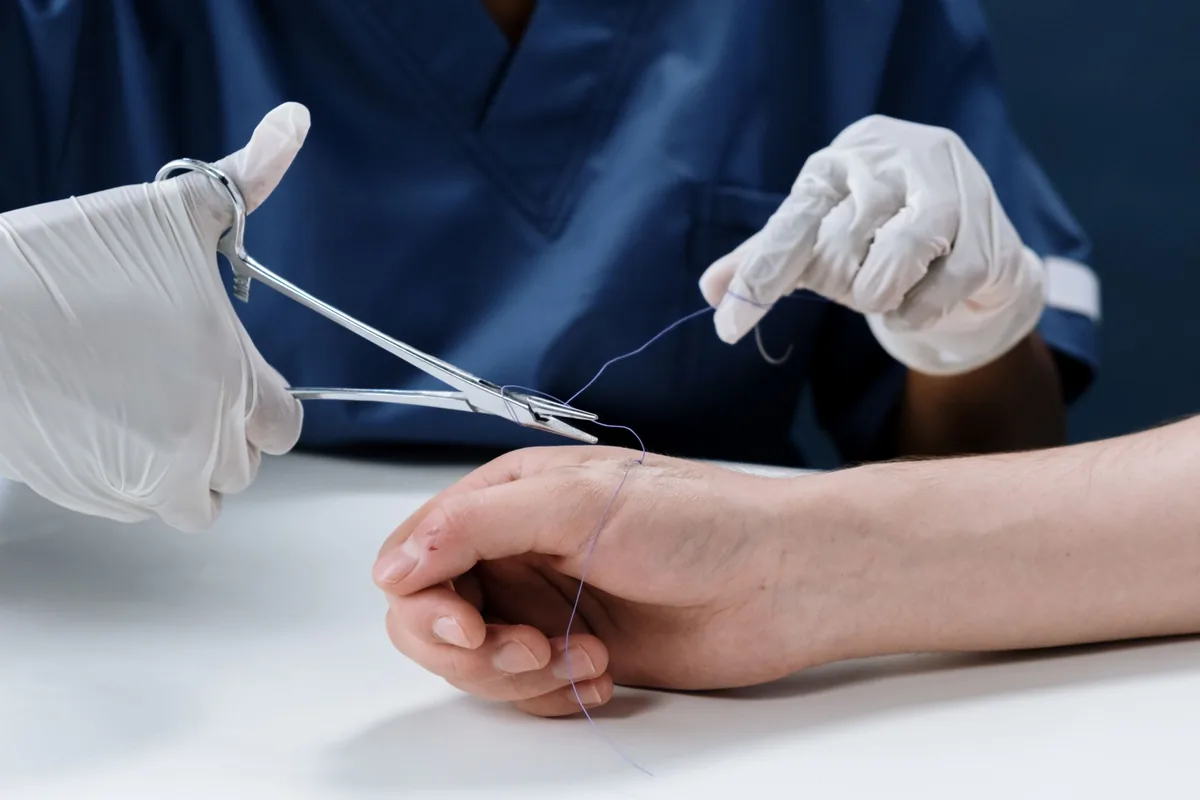
Your dog’s hind-leg pain can be worrying in the moment—and even more so when you hear a treatment plan that includes an ACL repair. A very common question we hear at PawCostWise is about the lateral suture acl repair cost: what owners typically pay, why the price can swing a lot between clinics, and how to plan financially without guessing.
This article breaks down what tends to drive the total cost of a lateral suture ACL repair for pets, including the factors that influence anesthesia, imaging, surgical complexity, aftercare, and follow-up visits. We’ll also cover what’s usually bundled versus what may be billed separately, so you know what to expect when you request an estimate from your veterinarian.
If you’re weighing whether to proceed—or trying to budget alongside exam fees and rehab—use this guide to help you ask the right questions (about surgical technique, expected recovery, and the likely follow-up schedule). And because every case is different, please confirm pricing and medical recommendations with a licensed veterinarian who can review your pet’s exam and test results.
Quick Answer: Lateral Suture ACL Repair Cost Ranges (and Why They Vary)
Typical cost bands to expect and how they differ by region, facility type, and surgeon experience
When planning for a torn cranial cruciate ligament in a dog, understanding the range of likely fees helps you compare options. Broadly, clinics fall into three cost bands: lower-cost general practice, mid-range specialty clinics, and higher-cost referral or teaching hospitals. Each band usually reflects differences in location, available equipment, and the surgeon's training. For an initial planning figure, a typical range often reported across practices might be roughly, though exact local prices vary widely and should be confirmed with your clinic.
Regional differences matter: urban specialty centers and university hospitals in the US/UK/CA/AU generally charge more than rural general practices, but they may offer advanced imaging and surgeon expertise that reduce complication risk. Surgeon experience also influences price—board-certified surgeons often cost more but bring focused experience that can shorten operative time and improve outcomes.
- Facility type: General practice vs. specialty vs. teaching hospital
- Geography: Major metro areas vs. rural towns
- Surgeon credentials: GP surgeon vs. surgeon with residency/specialty certification
Cost components that often get overlooked (pre-op imaging, anesthesia, implants/devices, post-op care)
Many owners focus on the surgeon fee and forget ancillary costs that add up. Common overlooked items include advanced imaging (radiographs or CT), anesthetic monitoring, the actual implant or suture materials used for the lateral suture, and multi-day hospitalization or recovery supplies. These items can change the final bill significantly, especially if complications or additional diagnostics are needed.
Ask for an itemized estimate and consider these frequent add-ons when budgeting. Practical questions to ask your vet include:
- Does the estimate include pre-op bloodwork and imaging?
- What type of anesthesia and monitoring will be used, and is it itemized?
- Are implants, bandages, and follow-up visits included, or billed separately?
Tip: treat the estimate like a car repair quote—get an itemized list, ask about potential extra charges, and check whether your pet insurance (or a care credit plan) covers a portion. Always confirm prices with your clinic and consult a licensed veterinarian to choose the safest, most cost-effective option for your pet.

What “Lateral Suture ACL Repair” Usually Means Clinically
How lateral suture ACL repair compares conceptually to other ACL procedures (why the technique choice affects cost)
The term lateral suture ACL repair generally refers to a procedure that stabilizes a torn cranial cruciate ligament in a dog by placing a synthetic support outside the joint rather than reconstructing the ligament inside the joint. Clinically, it is often presented as a less technically complex option compared with intracapsular reconstructions or advanced osteotomy procedures; that conceptual difference is a major reason why the lateral suture acl repair cost can be different from other techniques.
Costs vary because procedures differ in surgery time, required implants, imaging, and post‑op care. Factors that tend to raise cost include longer anesthesia time, the need for advanced imaging (e.g., radiographs or CT), and use of specialized implants. Conversely, a quicker procedure with routine instruments typically drives costs down.
Think of it like car repair: replacing an external stabilizer is usually faster and needs fewer specialty tools than rebuilding the engine. That analogy helps explain why clinics present different price brackets. Always confirm with your clinic which items are included in the estimate and whether follow‑up visits, bandages, or physical therapy are billed separately.
- Procedure complexity (surgery time, implants)
- Clinic type (general practice vs. specialty hospital)
- Perioperative services (imaging, bloodwork, pain management)
Patient factors that determine whether lateral suture repair is appropriate (tear type, chronicity, joint condition)
Whether a lateral suture repair is suitable depends on the individual animal. Many veterinarians consider it appropriate for dogs with isolated cruciate tears, relatively normal joint anatomy, and when the injury is recent. Chronic tears, severe joint arthritis, or concurrent orthopedic problems often push clinicians toward other techniques.
Key patient factors to discuss with your vet include tear chronicity, size and breed of the animal, degree of joint instability, and existing arthritis. These clinical details influence not only the recommended technique but also recovery needs and long‑term outcomes—each of which affects overall cost and value.
Questions you can ask your veterinarian to clarify appropriateness and expected outlays:
- Is my pet’s tear acute or chronic, and how does that affect options?
- What diagnostic tests do you recommend and are they included in the estimate?
- What are likely follow‑up costs (rehab, medications, rechecks)?
Please consult a licensed veterinarian for diagnosis and a tailored treatment plan; they can give a clinic‑specific estimate and explain how patient factors will influence the final cost and expected recovery.

Cost Breakdown: Where Your Money Goes
Pre-operative workup: exam, X-ray/MRI, lab tests, and any clearance requirements
Before a lateral suture or any ACL-related procedure, veterinarians typically perform a thorough pre-operative workup. This includes a physical exam, orthopedic assessment, and diagnostic imaging (X-rays are common; MRI or CT may be recommended in complicated cases). Labs to check organ function and any anesthesia clearance tests help reduce surgical risk and can affect the total bill.
Common items that contribute to pre-op cost:
- Physical exam and orthopedic consultation
- Diagnostic imaging (X-ray, possible advanced imaging)
- Bloodwork and pre-anesthetic screening
Questions to ask your vet:
- Which tests are essential versus optional?
- Can imaging be staged to spread cost?
- How will any findings change the surgical plan?
Surgery day costs: surgeon fee, anesthesia, operating room time, surgical supplies, and fixation materials
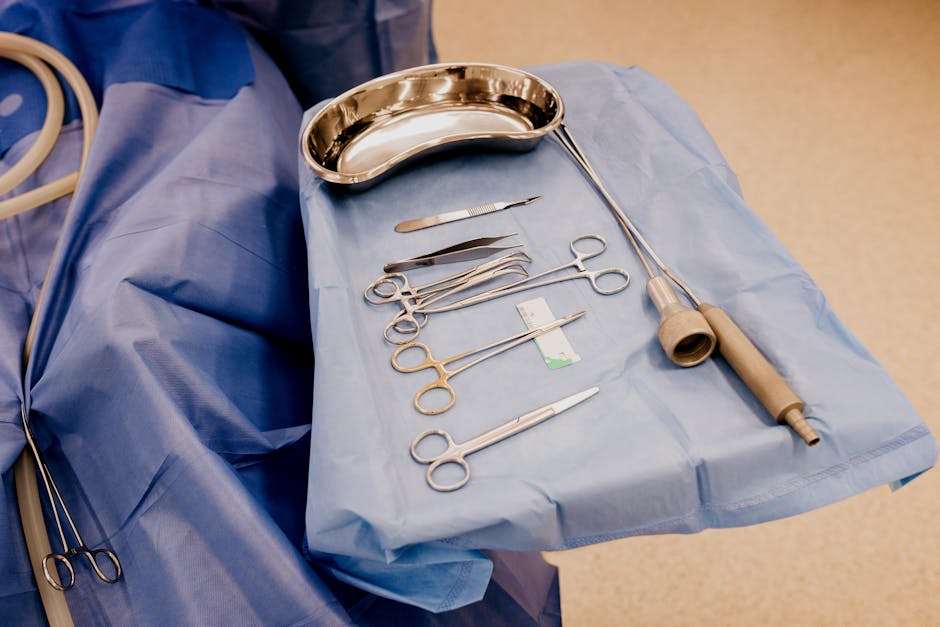
Surgery day is the largest single component of lateral suture acl repair cost. The bill typically includes the surgeon’s fee, anesthesia and monitoring, operating room time, and the cost of disposable supplies and fixation materials such as sutures, anchors, or synthetic implants. More experienced surgeons, emergency scheduling, or advanced implants can raise the cost.
Items that drive surgery-day costs:
- Surgeon and specialist fees
- Anesthesia and intraoperative monitoring
- Operating room time and surgical supplies/implants
Practical tip: ask your clinic for an itemized estimate and whether lower-cost implant options or referral to a surgical hospital would change outcomes or total price.
Post-operative costs: medications, bracing/immobilization, physical therapy/rehab, follow-up imaging, and rechecks
Recovery expenses can add up and are often underestimated. Expect costs for short-term pain control and anti-inflammatory medications, possible custom bracing or bandaging, routine rechecks, and follow-up imaging to ensure healing. Many vets recommend a structured rehabilitation program — formal physical therapy sessions or guided at-home rehab — which can significantly improve outcomes but increases expense.
Typical post-op items:
- Medications and wound care supplies
- Bracing or immobilization devices
- Physical therapy sessions and follow-up appointments
Factors that push costs up include complications, larger dogs needing stronger fixation, or prolonged rehab. A real-world analogy: think of surgery as home renovation — the operation is the contractor’s day, but inspections, materials, and cleanup during recovery add meaningful cost. Always confirm pricing with your clinic and consult a licensed veterinarian for treatment tailored to your pet’s needs.
Key Price Drivers That Change the Total Bill
Geography and practice setting (hospital vs. specialty clinic vs. nonprofit/discount programs)
Where you live and where you get care are two of the strongest determinants of the lateral suture ACL repair cost. Urban referral hospitals and specialty centers often charge more because they include advanced imaging, board-certified surgeons, and overnight hospitalization. Rural general practices may be less expensive but might refer complex cases, adding travel and referral fees.
Typical cost differences reflect overhead, staffing, and available equipment. Ask your clinic for a written estimate and compare what is included (pre-op testing, anesthesia, implants, follow-ups). For help comparing options, see our clinic cost comparison.
- Hospital/academic center: higher overhead, broad services
- Specialty clinic: surgeon expertise, higher fees but targeted care
- Nonprofit/discount programs: lower fee models, limited availability
Severity and complexity: need for additional procedures, graft/augmentation, concurrent injuries, or revision risk
The more complex the injury, the higher the total bill. Simple tears managed with a lateral suture technique can be straightforward, but if your pet has concurrent ligament damage, cartilage injury, fracture, or a previous failed repair, the surgeon may recommend extra procedures or stronger implants. Those add surgical time, materials, and monitoring.
When vets discuss options, ask about staged procedures versus a single combined surgery and the trade-offs in recovery and cost. A practical analogy: fixing a single broken window is cheaper than replacing a whole window frame plus insulation—each added problem raises the bill.
- Concurrent injuries or meniscal damage
- Need for grafts, augmentation, or custom implants
- Revision or repeat surgery risk
Rehabilitation intensity: how PT frequency and duration impact overall spending
Postoperative rehabilitation can be as important as the surgery. More frequent physical therapy sessions, hydrotherapy, or long-term at-home support increase overall costs but often improve outcomes. Some owners manage lower-intensity rehab at home under guidance; others prefer clinic-based programs.
Talk with your vet about realistic rehab plans, expected milestones, and whether bundled therapy packages or insurance coverage are available. Practical tip: get a written rehab schedule and a checklist of at-home exercises so you can compare the cost-effectiveness of clinic vs. at-home therapy.
- Clinic-based PT frequency and session length
- Special modalities (underwater treadmill, laser, aquatic therapy)
- Duration of supervised rehab vs. home program
Please confirm pricing and treatment details with your veterinarian—these notes are informational and not a substitute for professional advice.
Before-After Scenarios: Example Budgets and Total Cost Estimations
Low-to-mid complexity case estimate with standard follow-ups and rehab plan
For a straightforward lateral suture repair with an uncomplicated recovery, many clinics break costs into surgery, anesthesia, imaging, and a standard rehab package. A reasonable way to budget is to expect the total cost to come as a package: surgery + 2–4 follow-up visits + a basic physiotherapy/home-exercise plan. Exact amounts vary by region and clinic; an illustrative estimate varies widely by clinic and case for the full episode of care.
Factors that keep costs toward the lower end include young, healthy patients, no additional imaging beyond initial X‑rays, and a short, uncomplicated recovery. Ask your clinic for an itemized estimate and whether basic rehab can be done at home under guidance. Always confirm details and timelines with a licensed veterinarian for treatment and budgeting decisions.
- Typical inclusions: surgery, anesthesia monitoring, basic post-op pain control, 2–4 follow-ups
- Rehab: short supervised physio plus home exercises
- Insurance note: some policies cover a portion; check limits and waiting periods
Higher-complexity estimate including extra interventions, longer rehab, or more visits
More complex presentations—older pets, concurrent ligament/cartilage damage, infection risk, or complications—drive the cost higher. Expect additional line items such as advanced imaging (CT/MRI), arthroscopy, extra pain management, longer hospitalization, and extended physiotherapy. A prudent planning range for these cases is roughly, but the variance is wide by case and location.
Common cost drivers are prolonged hospital stays, repeat visits or rechecks, and referral to a specialist surgeon or rehab center. A practical tip: treat budgeting like a home renovation estimate—plan for the base job plus a contingency fund for "may-occur" items. Discuss likelihood of those additions with your vet early on.
- Advanced diagnostics or specialist fees
- Extended pain control or infection treatment
- Multiple or longer rehab/physiotherapy sessions
How to ask for a written estimate that includes “routine vs. may-occur” charges
When you request a written estimate, ask the clinic to separate routine (expected) costs from may-occur (contingent) charges. A clear estimate helps you compare clinics and plan financially. Sample request wording: “Please provide an itemized estimate listing expected charges and any potential additional fees that might occur if complications arise.”
Useful elements to request and questions to ask include:
- Itemized list showing surgery, anesthesia, imaging, hospitalization, and rehab
- Which items are likely vs. optional or conditional, with approximate ranges
- Who to call and how costs will be approved if a “may-occur” item becomes necessary
Also ask about payment plans, second-opinion/referral policies, and whether follow-ups are included. As always, confirm medical decisions and final pricing with your licensed veterinarian before proceeding.

Financing, Coverage, and How to Reduce Cost Without Cutting Safety Corners
Questions to ask about payment plans, packages, and what’s included (and what isn’t)
When a surgeon gives an estimate for a cruciate repair, ask for a clear, itemized estimate so you can compare apples to apples. Costs are typically driven by diagnostics (x-rays, ultrasound), the surgeon’s experience, anesthesia and monitoring, the specific implant or suture material used, hospitalization time, and post-op pain control and follow-up. For many owners, understanding which of these are bundled matters more than a headline price — it helps you spot hidden fees or missing services.
Useful questions to bring to the consult:
- What exactly is included in this package (pre-op testing, anesthesia, implants, 24-hour monitoring)?
- What is excluded or likely to be additional (complications, repeat radiographs, rehab sessions)?
- Are there payment plans, sliding scales, or third-party veterinary credit options, and what are the terms?
- Do you offer a bundled rehab plan or referral discounts to a physiotherapist?
- What is your complication policy and does the quoted fee cover re-checks or emergency returns?
Practical tip: ask the clinic to email the estimate and any payment-plan paperwork so you can review it calmly and compare to other quotes. Confirm details with your clinic — and consult a licensed veterinarian to decide which package best fits your pet’s needs.
When to use insurance/credit vs. when discounted clinics can be risky (experience, outcome track record, rehab plan)
Pet insurance or reputable veterinary credit can make a higher-quality surgical option more affordable and preserve access to experienced surgeons and structured rehab. Insurance usually covers a portion of surgical and hospitalization costs after deductibles, which is useful when deciding whether a procedure with a higher upfront price is worth it. Conversely, financing can smooth cash flow for an otherwise recommended procedure.
Discounted clinics or bargain surgeries may seem attractive, but they carry trade-offs. Key risk factors to check before choosing a low-cost provider:
- Surgeon experience and caseload: ask how many lateral suture procedures they perform yearly and for outcome examples.
- Post-op rehab and follow-up: low-cost clinics sometimes offer minimal rehab, which can affect recovery.
- Complication management: confirm who handles emergency complications and whether extra visits incur high fees.
Analogy: choosing a clinic is like hiring a contractor for a structural repair — cheaper bids can skip critical steps. If you’re evaluating options, ask for references, surgical logs or before/after radiographs, and get at least two written estimates so you can weigh the lateral suture acl repair cost against likely outcomes. Always double-check pricing with your own clinic and consult a licensed veterinarian before making a final decision.

Risks, Outcomes, and Hidden Costs of Getting the Procedure Wrong
Common complications or failure drivers that can lead to repeat treatment or revision surgeries
When a lateral suture procedure doesn’t go as planned, several predictable problems can force repeat treatment. The most common drivers include implant or suture failure, persistent joint instability from incomplete repair, concurrent meniscal damage missed at surgery, and post-operative infection. Each of these can mean additional diagnostics, repeat anesthesia, and sometimes a different surgical technique for revision.
Owners should expect that complications increase both medical risk and long-term cost. Typical cost estimates for a first-time lateral suture are highly variable; when budgeting, consider that lateral suture acl repair cost will often rise if revision surgery or extended care is required — a reasonable planning approach is to ask clinics for a typical range and contingency estimates rather than a single quote. Always confirm specifics with your veterinarian, who can assess your pet’s individual risk profile.
- Implant/suture breakage — may require re-operation
- Missed meniscal tears — often found after initial recovery stalls
- Infection or wound breakdown — adds antibiotics, monitoring, possible surgery
- Progressive osteoarthritis — long-term management costs
Why rehab compliance and follow-up scheduling affect long-term cost and success rates
Rehab and follow-up are not optional add-ons — they directly influence outcomes. Strict activity restriction, staged physical therapy, and timely rechecks reduce the chance of suture overload, re-injury, or delayed complication detection. Noncompliance can turn an otherwise successful surgery into a repeat procedure and years of chronic care.
Think of it like automotive repairs: a correctly installed part will last only if you follow the manufacturer’s break-in and maintenance schedule. Practical steps that lower long-term cost include following prescribed leash-rest, attending recommended rehab sessions, and keeping scheduled rechecks so problems are caught early. Questions to ask your vet include:
- What specific signs suggest a complication I should report immediately?
- How often should my pet be rechecked, and who provides follow-up care?
- Which rehab options (home exercises vs. professional physiotherapy) do you recommend and why?
For personalized advice and a clear cost estimate for your pet’s situation, please consult a licensed veterinarian — they can outline likely pathways and what parts of care are essential versus optional.

Checklist: What to Ask Your Surgeon or Clinic for an Accurate Lateral Suture ACL Repair Quote
A quote checklist: line items, expected rehab timeline, device/material specifics, and contingency pricing
When you call for an estimate, ask for a written, itemized quote so you can compare clinics and understand what drives the final bill. For pet owners concerned about lateral suture acl repair cost, the largest drivers are often surgeon time, anesthesia and monitoring, implants or suture materials, diagnostic imaging, and the post-op care package (pain control, bandages, and first rechecks).
Ask the clinic to list these elements separately and to note an expected rehab timeline. A clear timeline helps you budget for follow-up visits, physiotherapy, and any at-home restrictions. Practical items to request include:
- Line-item breakdown: surgeon fee, anesthesia, imaging, materials, hospitalization, and follow-ups
- Expected rehab milestones and typical number of rechecks or physiotherapy sessions
- Device/material specifics: brand/type of suture or implant and whether it’s disposable
- Contingency pricing: charges for common complications or additional diagnostics
Tip: treat the quote like a home repair estimate — materials, labor, and unforeseen problems can change the final price. If items are vague, ask for clarification or a range. For more on financing and coverage options, see understanding pet insurance.
Red flags and green flags for a responsible cost estimate (transparent breakdown, evidence-based criteria, clear follow-up)
A responsible quote shows these green flags: a transparent breakdown, evidence-based rationale (why a particular technique or implant is chosen), and a clear plan for follow-up care. Green flags include written consent forms, clear rehab expectations, and willingness to discuss alternative treatment options or second opinions.
Red flags to watch for are vague single-line quotes (e.g., “surgery: ”), unwillingness to detail what’s included, or pressure to accept a single option without discussing risks and postop care. Ask these questions directly:
- What is included in this estimate and what is billed separately?
- How often will my pet need rechecks or physiotherapy?
- What common complications could add cost, and how are they handled?
Always confirm pricing with your clinic and consult your licensed veterinarian about the best option for your pet’s health and lifestyle. A clear, evidence-based quote helps you decide whether the procedure is appropriate and affordable for your situation.

Conclusion
Planning for the lateral suture acl repair cost starts with understanding that pricing varies widely. The biggest drivers are your dog’s size and weight, the severity of ligament damage, the surgical approach, and what your vet recommends for imaging, anesthesia, and postoperative care. Many owners also see cost differences based on whether this is a straightforward repair or a more complex case, plus the need for pain management and follow-up visits to monitor healing.
Before you budget, ask your clinic for a detailed estimate that lists surgery, anesthesia, required diagnostics, rechecks, and any rehab or brace plan—so you can compare apples to apples. If you’re weighing insurance, review the waiting periods and exclusions for orthopedic conditions. For medical decisions and the safest next steps, confirm everything with a licensed veterinarian for your pet’s specific situation. If this helped, share it with another owner—or drop a comment with your location and case details to ask about budgeting questions.
References
- Lateral Suture (ACL) | TopDog Health (topdoghealth.com)
- Pivot Shift Test | Anterior Cruciate Ligament (ACL)... - YouTube (youtube.com)
- ACL Suture, Medial and Lateral Menisci Sutures, Lateral... | Vumedi (vumedi.com)
- Low-Cost Pet ACL Knee Surgery In Buford, GA | SurgiPet (surgipet.org)